





Artificial intelligence is entering a new phase of development as major technology companies accelerate efforts to build AI assistants capable of performing increasingly complex real-world tasks. Over the past year, AI development has largely focused on chat-based systems designed to answer questions, generate content, and assist users with digital tasks. However, the industry is now moving far beyond simple chatbot interactions and entering a far more ambitious stage of development.
Leading technology companies including OpenAI, Google, Microsoft, Apple, and Meta are actively investing billions of dollars into building intelligent assistants designed to operate more naturally inside everyday human environments. The goal is no longer limited to answering prompts on a screen. Companies are now designing systems capable of understanding context, taking independent actions, interacting across devices, and assisting users in ways that feel increasingly human.
This shift represents one of the most significant changes artificial intelligence has experienced since generative AI entered mainstream public adoption.
AI Development Is Moving Beyond Traditional Chatbots
Until recently, most public discussions surrounding artificial intelligence centered around chat-based systems that could answer questions or generate text on command. While these systems remain powerful, the technology industry now sees far greater long-term potential in building AI assistants capable of performing tasks independently.
Future AI assistants are expected to schedule appointments, manage emails, interact with third-party applications, summarize meetings, organize digital workflows, control connected smart home devices, and provide increasingly personalized recommendations based on user behavior. Instead of simply responding to instructions, these systems are being designed to understand broader context and anticipate what users may need before direct interaction occurs.
This transition could fundamentally change how consumers interact with technology over the coming decade.
Technology Companies Are Competing For AI Leadership
Competition within the artificial intelligence sector has intensified significantly throughout 2026. Microsoft continues expanding AI integration across Windows and enterprise productivity software, Google is rapidly strengthening its Gemini ecosystem, Apple is heavily investing in AI-powered hardware experiences, while Meta continues building intelligent systems focused on wearable computing and digital ecosystems.
More Read



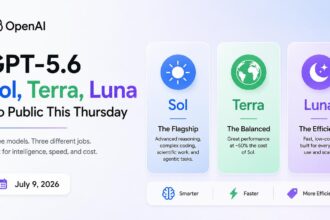

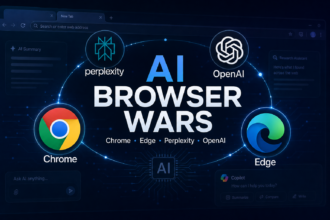
OpenAI remains one of the central companies driving rapid progress across the broader AI industry. New partnerships, infrastructure expansion, and faster model development cycles continue pushing the entire sector forward at remarkable speed.
The pace of innovation has created one of the most competitive technology races seen in years.
“The next generation of artificial intelligence will not simply answer questions. It will increasingly act as a digital partner integrated into everyday life.”
The Future Of Consumer Technology Is Becoming More Intelligent
Industry experts increasingly believe artificial intelligence assistants will soon become deeply integrated into everyday consumer technology. Smartphones, laptops, wearable devices, vehicles, connected home systems, and workplace software are all expected to evolve around intelligent AI systems capable of understanding behavior patterns and automating tasks with minimal human input.
Rather than remaining separate applications, AI assistants may soon become invisible layers built directly into operating systems and physical devices.
The long-term impact could fundamentally reshape how people interact with digital technology. Artificial intelligence is no longer developing as a specialized software category. It is becoming the foundation upon which future consumer technology will increasingly be built.