



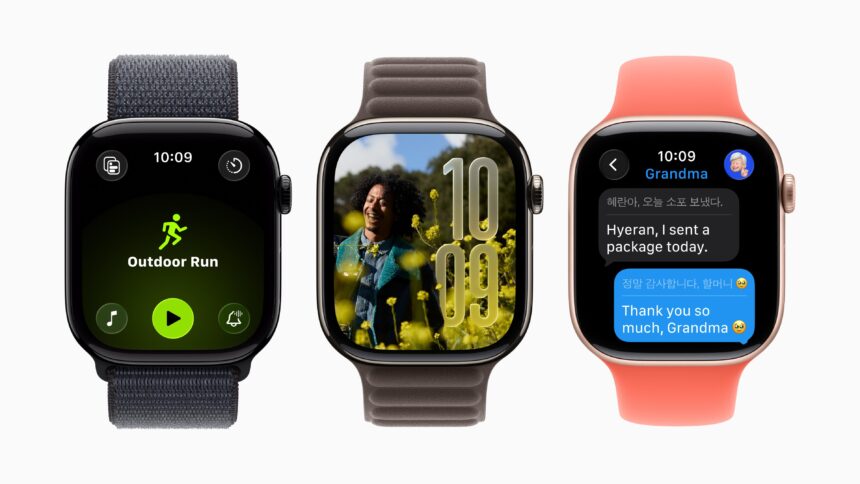
Apple’s growing artificial intelligence strategy is no longer centered only around the iPhone. The company is now quietly shifting its focus toward wearable technology, positioning the Apple Watch as one of the fastest and most natural ways users may interact with artificial intelligence during everyday life.
During its recent software announcements, Apple introduced major Siri intelligence upgrades designed to work more deeply across its ecosystem. While much of the attention initially focused on iPhone, iPad and Mac improvements, Apple’s internal watchOS team has revealed that the smartwatch may actually become one of the most practical devices for interacting with Siri’s next generation artificial intelligence system.
The reasoning is simple. Unlike smartphones that remain inside pockets or bags for much of the day, a smartwatch is constantly attached to the user, making instant interaction far easier whenever quick assistance is needed. Apple appears to believe wearable devices could become one of the most important entry points for future AI interaction.
Apple Wants Siri To Feel Like One Continuous Experience
One major design goal behind watchOS 27 appears to be consistency across the broader Apple ecosystem. Rather than creating separate Siri experiences depending on which Apple device users are holding, Apple is building an assistant that behaves like one connected intelligence layer across every device simultaneously. Whether someone asks Siri a question using an iPhone, iPad, Mac or Apple Watch, the assistant is designed to understand personal context consistently while carrying conversations naturally between devices.
This creates a much more fluid experience. A user might begin interacting with Siri directly through their watch while walking outside, then continue the same conversation later on an iPhone without restarting the request from the beginning. Apple is trying to make artificial intelligence feel less like an app and more like a continuous personal assistant following the user everywhere.
The Apple Watch May Become The Fastest Way To Use Siri
One of the strongest arguments Apple is making internally is convenience. Because the Apple Watch sits on the wrist throughout the day, users can interact with Siri without needing to physically reach for a phone, unlock a device or manually launch applications. This becomes especially useful during everyday situations where hands are occupied.
A practical example Apple demonstrated involved grocery shopping. Imagine carrying multiple bags while suddenly needing recipe ingredients, shopping reminders or quick information lookup. Instead of reaching for a smartphone, users can simply raise their wrist and ask Siri instantly. This kind of frictionless interaction may become one of the strongest long-term advantages wearable artificial intelligence systems hold over traditional smartphone interfaces.
Speed matters and Apple believes smartwatches remove unnecessary barriers between users and intelligent assistance.
More Read





Why Many Older Apple Watches Will Not Receive The New Siri Upgrade
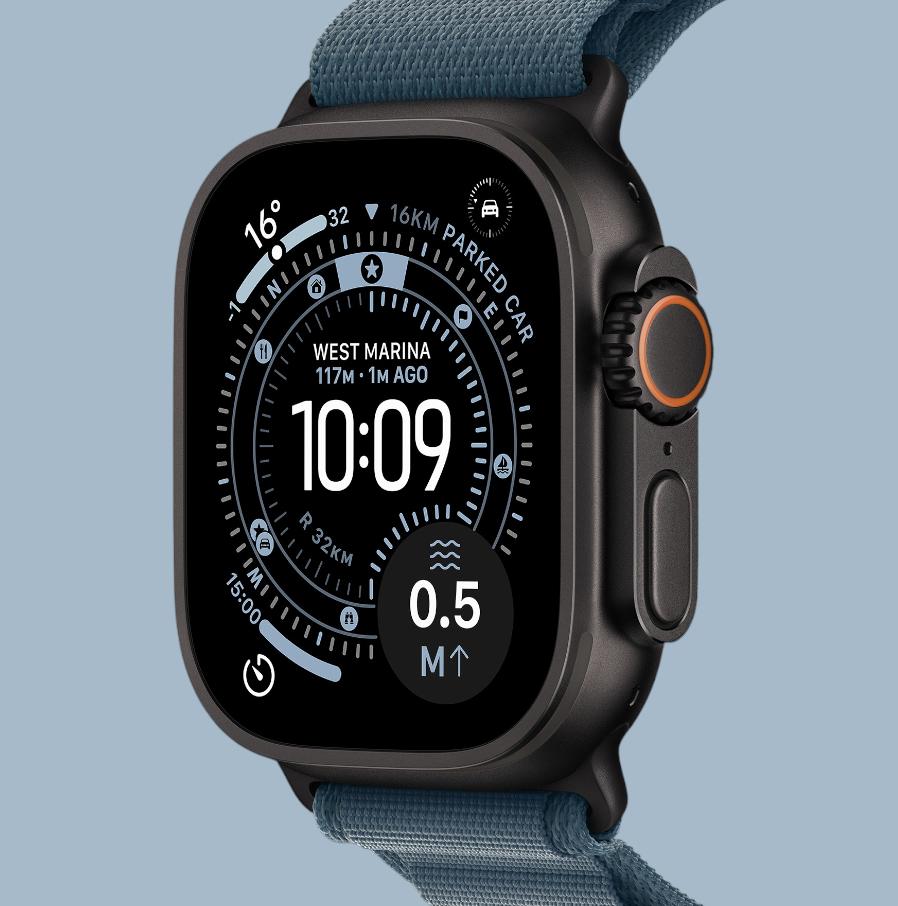
Alongside excitement surrounding watchOS 27, Apple has also confirmed that a surprising number of older Apple Watch models will not receive the newest AI-powered Siri capabilities. Affected devices reportedly include: Apple Watch Series 6, Apple Watch Series 7, Apple Watch Series 8, Apple Watch SE 2, First-generation Apple Watch Ultra. These devices will continue receiving security support, but users will not gain access to the new Siri artificial intelligence features arriving with watchOS 27. The reason appears to be hardware limitations. Unlike traditional software updates focused mainly on visual interface changes, modern artificial intelligence systems require significantly stronger local processing capability to handle increasingly demanding machine learning workloads directly on the device. Older Apple Watch hardware simply does not appear powerful enough.
Apple’s New AI Features Depend Heavily On Modern Watch Chips
According to Apple’s watchOS engineering team, the newest artificial intelligence features work best only on newer hardware equipped with stronger internal processing architecture. Industry analysts believe the biggest technical requirement comes from Apple’s newer silicon. The upgraded Siri intelligence system likely depends heavily on the performance capability found in: Apple Watch Series 9, Apple Watch Series 10, Apple Watch Ultra 2, Apple Watch SE 3
These newer devices include significantly improved neural processing capability needed to handle more advanced on-device intelligence tasks while preserving battery efficiency. The older generation watches remain fully functional for everyday usage. However, they simply lack enough local computing power to support Apple’s newest AI ambitions.
“Artificial intelligence is rapidly changing how devices are designed. Software updates are no longer limited by operating systems alone — they increasingly depend on whether hardware itself can keep up with modern AI workloads.”
Apple Is Quietly Redefining What Smartwatches Will Become
The bigger story here extends beyond Siri itself. Apple’s software direction strongly suggests smartwatches are evolving beyond fitness tracking, notifications and health monitoring into something far more intelligent. Future wearables may increasingly become always-available AI companions capable of answering questions instantly, understanding personal context, managing everyday tasks proactively and interacting naturally without requiring constant smartphone interaction. Apple appears focused on making AI feel ambient rather than intentional. The long-term vision is becoming increasingly clear. The future personal assistant may no longer live inside your phone. It may live permanently on your wrist.
Apple Watch Compatibility For New Siri AI Features
| Supported Devices | Older Devices Missing AI Features |
|---|---|
| Apple Watch Series 9 | Apple Watch Series 6 |
| Apple Watch Series 10 | Apple Watch Series 7 |
| Apple Watch Ultra 2 | Apple Watch Series 8 |
| Apple Watch SE 3 | Apple Watch SE 2 |
| Newer Future Models | Apple Watch Ultra (Gen 1) |
Why Older Models Are Being Excluded
| Technical Factor | Limitation |
|---|---|
| Processor Power | Older chips cannot handle heavier AI tasks |
| Neural Engine Capability | Limited machine learning performance |
| Battery Efficiency | AI workloads demand more power |
| On-Device Processing | Requires newer silicon architecture |
| Real-Time Personalization | Faster hardware needed for contextual responses |