




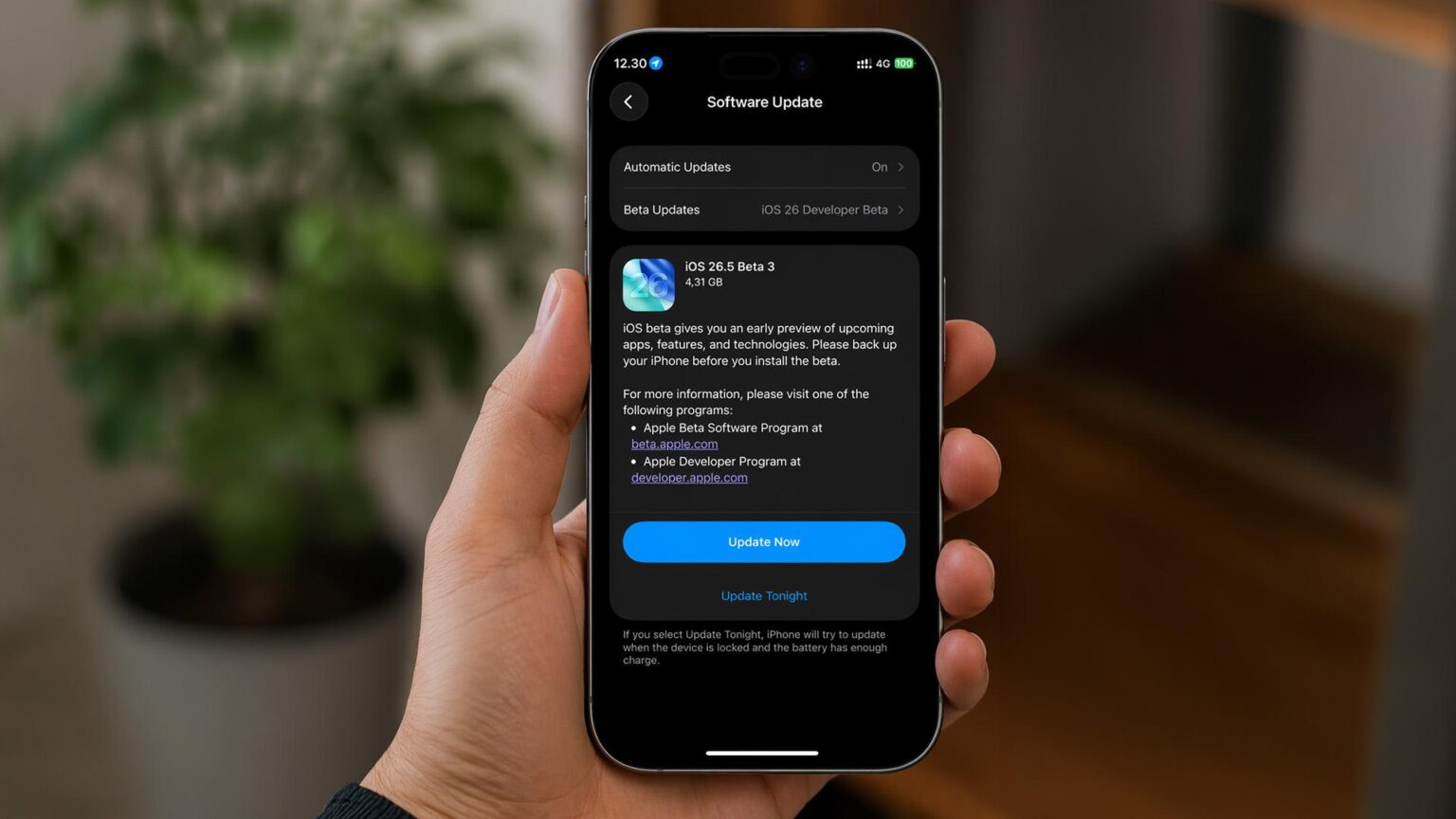
Apple has continued accelerating development of its next major iPhone operating system update after officially releasing the second developer beta version of iOS 27. The latest release arrives shortly after the company began early software testing, signaling Apple’s ongoing effort to refine what could become one of the most important iPhone software updates entering the second half of 2026.
While major operating system updates often attract attention through large new feature announcements, beta releases play a far more important role behind the scenes. These early software builds allow Apple engineers to identify system-level issues, optimize software performance, improve interface consistency, and gradually stabilize the operating system before the software reaches millions of iPhone users globally.
The second beta release suggests Apple is moving steadily through its early development cycle.
Apple Continues Refining The Future Of iPhone Software
Large operating system updates rarely arrive fully polished during initial beta releases. Early beta development typically focuses on identifying software instability, resolving unexpected system behavior, improving resource management, and refining visual interface elements before feature expansion begins later in the testing cycle.
The latest iOS 27 beta appears to continue this familiar development pattern. Developers testing the newest build have already begun reporting small adjustments affecting interface responsiveness, system behavior consistency, software optimization improvements, and refinements tied to background operating system performance.
While these changes may appear subtle on the surface, they often represent critical engineering work happening before larger software improvements are introduced publicly.
For Apple, stability remains just as important as innovation.
More Read




Beta Releases Reveal Apple’s Long Term Software Direction
Each beta release often provides valuable insight into how Apple is shaping the long-term future of the iPhone ecosystem. Over the last several years, Apple has increasingly focused on making iPhone software feel more intelligent, more efficient, and more deeply integrated with the company’s broader ecosystem spanning Mac, iPad, Apple Watch, AirPods, and cloud-based services.
Industry analysts believe the broader iOS 27 development cycle may gradually reveal stronger artificial intelligence integration, smarter system automation features, better contextual awareness, and more personalized software behavior designed to make future iPhones operate more intelligently.
Apple’s software strategy increasingly extends far beyond visual design updates. The company is quietly building a more adaptive mobile computing environment.
“Modern smartphone software is no longer judged only by features users can see — increasingly, the most important improvements happen invisibly through system intelligence, stability, and optimization.”
Developers Play A Critical Role Before Public Release
Developer beta releases represent one of the most important stages of Apple’s software development cycle. By releasing early versions months before public rollout, Apple gains access to large-scale feedback from developers testing compatibility across thousands of different applications, system workflows, and device environments.
This allows engineers to identify hidden issues long before software reaches public release channels. Every small refinement introduced during beta testing helps reduce performance issues later when updates reach everyday consumers. For millions of iPhone users, these early development stages largely determine how reliable the final software experience will feel.
iPhone Software Is Becoming Increasingly Sophisticated
The release of iOS 27 Beta 2 reinforces a broader technology industry trend currently reshaping mobile computing. Smartphones are no longer evolving simply through faster processors or improved hardware design.
Software itself is becoming increasingly intelligent, increasingly adaptive, and far more deeply integrated into how users interact with digital ecosystems. As Apple continues refining iOS 27 over the coming months, future beta releases will likely reveal much more about the company’s long-term software ambitions.
The next generation of iPhone software is quietly taking shape. And Apple’s latest beta release offers one of the earliest glimpses into what that future may look like.