




If you’ve been comparing smartphone prices over the last year, you may have noticed that flagship devices are becoming more expensive, while even mid-range phones are seeing smaller price increases than expected. This isn’t simply due to inflation or premium features. The biggest factor is the rapid growth of artificial intelligence, which is reshaping the global semiconductor industry and affecting the cost of nearly every modern smartphone.
For consumers in India, where competition has traditionally helped keep smartphone prices aggressive, this shift could influence future launches from Samsung, Xiaomi, OnePlus, vivo, OPPO, Motorola, and even Apple.
Why Smartphone Prices India Are Increasing
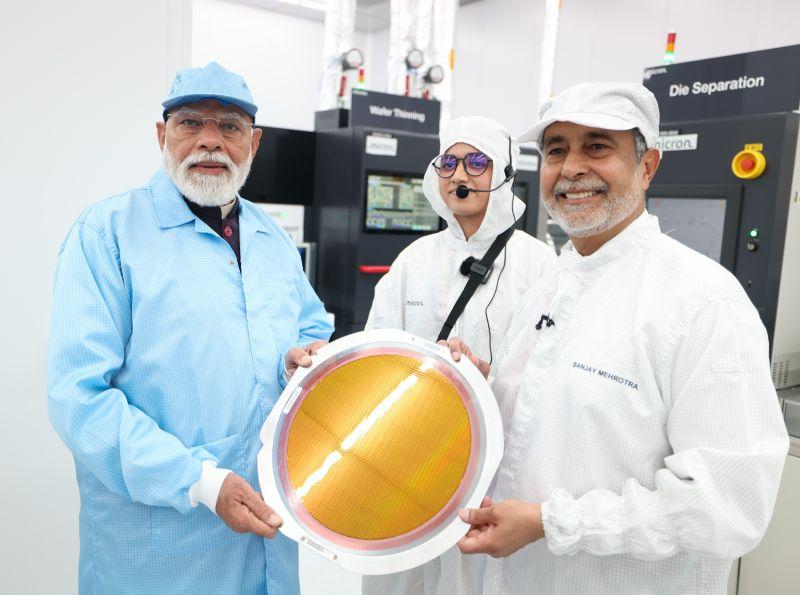
The biggest reason behind rising Smartphone Prices India is the unprecedented demand for high-performance memory and advanced semiconductor manufacturing. AI servers used to train large language models require enormous quantities of DRAM and high-bandwidth memory (HBM). Manufacturers such as Samsung Electronics, Micron, and SK hynix are prioritizing production of these premium memory products because they deliver higher profits and meet explosive enterprise demand.
As production shifts toward AI hardware, the supply available for smartphones becomes tighter, increasing manufacturing costs for phone makers.
GizmoAlert Insight: AI isn’t just changing software—it is reshaping the entire hardware supply chain, from memory chips to smartphone pricing.
AI Is Changing the Semiconductor Industry
The semiconductor industry has always balanced demand across multiple sectors, including PCs, smartphones, automotive electronics, and gaming hardware. Today, AI data centers have become one of the industry’s biggest customers. Companies developing AI infrastructure are purchasing advanced GPUs, processors, and memory in huge quantities, forcing manufacturers to allocate more production capacity toward enterprise hardware rather than consumer devices. This shift affects the availability and pricing of components used inside smartphones.
Which Smartphone Brands Could Be Affected?
Nearly every manufacturer depends on the same global supply chain.
| Brand | Potential Impact |
|---|---|
| Samsung | Higher component costs for premium models |
| Apple | Possible pricing adjustments on future iPhones |
| Xiaomi | Pressure on mid-range pricing |
| OnePlus | Increased flagship production costs |
| Motorola | Memory and chipset cost increases |
| vivo & OPPO | Higher manufacturing expenses |
The extent of any price changes will depend on component availability, exchange rates, and each company’s pricing strategy.
More Read






More Than Just Memory Chips
Memory isn’t the only factor. Modern smartphones increasingly rely on:
- AI-capable processors
- Larger camera sensors
- Faster storage
- Advanced cooling systems
- Brighter OLED displays
- Larger batteries
As these technologies improve, manufacturing costs naturally rise. Combined with supply chain pressures, they contribute to higher retail prices.
Should You Buy a Smartphone Now or Wait?
If you’re planning to upgrade within the next few months, current pricing may still offer good value, especially during seasonal sales. Waiting could bring newer devices with improved AI features, but there is no guarantee that prices will fall if component costs continue to increase. For buyers considering premium flagship models, comparing launch prices, trade-in offers, and festive discounts may provide better savings than waiting for a general market correction.
What Does This Mean for Indian Consumers?
India remains one of the world’s most competitive smartphone markets, and manufacturers are likely to continue offering multiple price segments to attract buyers. However, the days of dramatic annual price reductions may become less common as AI infrastructure continues competing for semiconductor resources. Consumers may instead see companies focusing on additional software features, longer software support, and AI-powered experiences to justify higher prices.
Final Thoughts
The rise in Smartphone Prices India reflects a much broader transformation happening across the technology industry. Artificial intelligence is driving unprecedented demand for advanced chips and memory, forcing manufacturers to rethink how production capacity is allocated. While smartphones will continue becoming more capable, buyers should also expect pricing to reflect the growing competition for the components that power modern devices. For Indian consumers, understanding these market forces can help explain why future smartphones may cost more and why value will increasingly depend on software, AI features, and long-term support rather than hardware alone.