

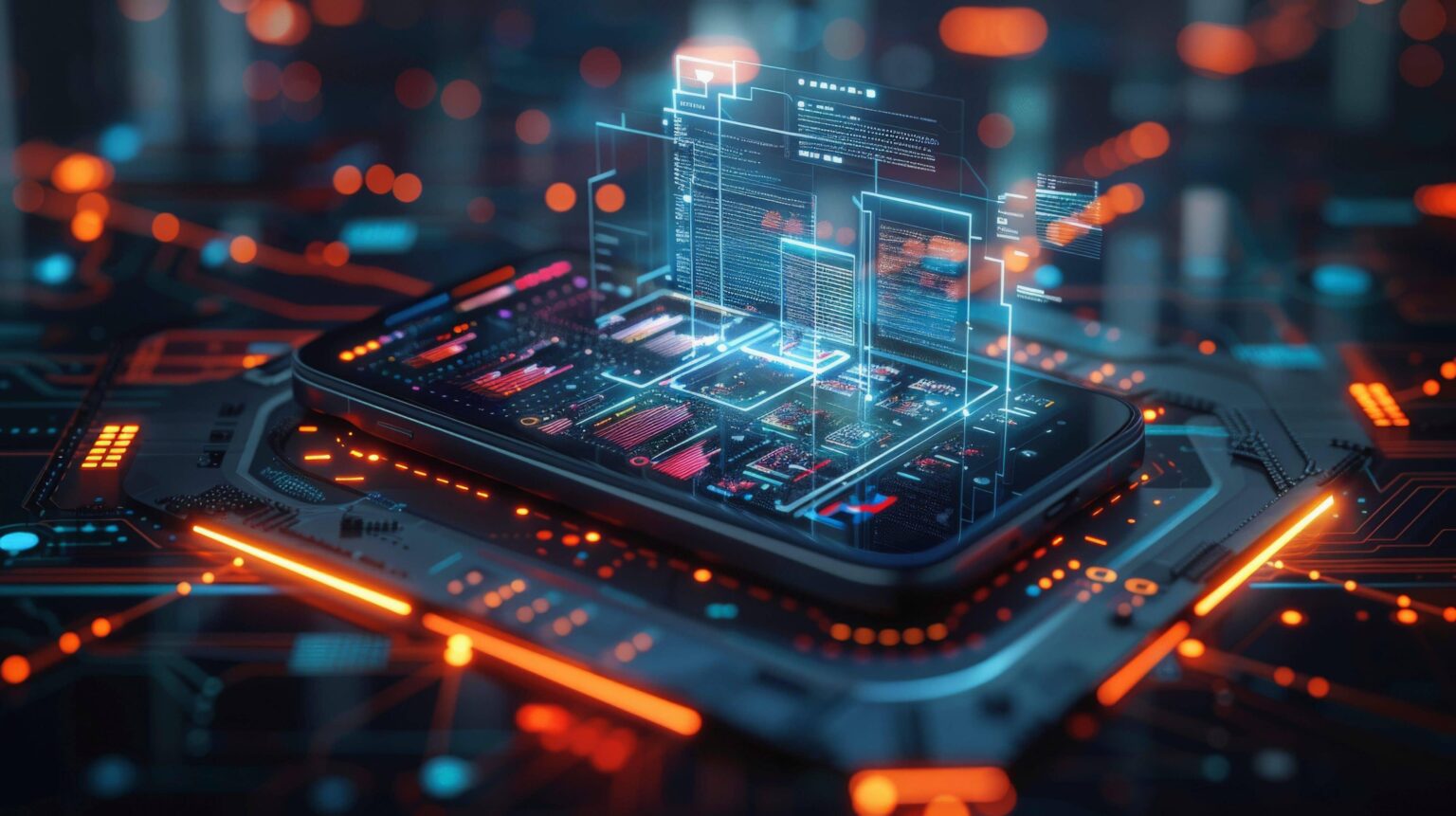


For decades, personal computers dominated the digital world. Desktops and laptops remained the primary devices people relied on for work, communication, entertainment, productivity, and internet access. But over the last several years, something remarkable has happened quietly in the background.
Smartphones have evolved faster than almost anyone expected.
What began as simple communication devices designed for calls and text messages has now transformed into incredibly powerful pocket-sized computers capable of performing tasks once reserved only for high-performance desktop systems.
The future of personal computing is increasingly fitting inside a pocket.
Smartphone Performance Is Reaching New Levels
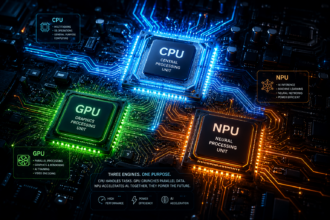
Modern smartphones now feature processors powerful enough to handle demanding applications that were once impossible on mobile devices. Advanced chipsets built using cutting-edge architecture allow phones to process large amounts of data while maintaining impressive energy efficiency.
Tasks such as video editing, 3D rendering, advanced gaming, AI processing, high-resolution photography, multitasking, and cloud synchronization now happen directly on mobile devices with remarkable speed.
For many users, smartphones have quietly become their primary computing device.
More Read

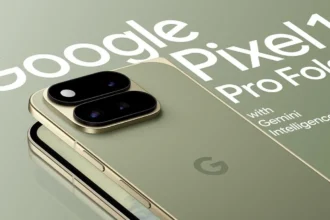
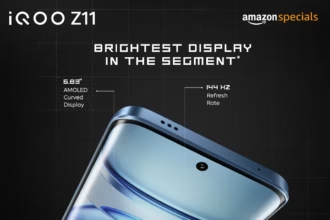
The performance gap between mobile devices and traditional computers is shrinking faster every year.
Mobile Technology Is Replacing Everyday Workflows
Millions of professionals now rely heavily on smartphones for everyday productivity. Email management, video conferencing, document editing, cloud storage access, remote team collaboration, digital payments, project management, and business communication can all be handled directly through mobile devices.
Unlike traditional computers that require dedicated workspaces, smartphones provide constant access to professional tools anywhere at any time.
Mobility has become one of the biggest technological advantages modern users prioritize.
Convenience is reshaping how people interact with digital technology.
“The most powerful computer many people own today is no longer sitting on a desk — it is sitting inside their pocket.”
Artificial Intelligence Is Making Smartphones Smarter
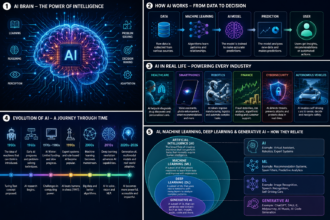
Artificial intelligence is playing a major role in accelerating smartphone evolution. Modern mobile devices now use AI for photography enhancement, battery optimization, voice recognition, predictive typing, security systems, real-time language translation, intelligent notifications, and personalized user experiences.
This growing integration of artificial intelligence is allowing smartphones to operate more intelligently while requiring less user effort.
Technology companies are increasingly designing mobile devices that adapt to user behavior automatically.
The Future Of Computing Is Mobile First
Industry experts increasingly believe smartphones will continue replacing tasks once dependent on traditional computers. Cloud computing, wireless connectivity improvements, foldable display technology, augmented reality systems, and AI-driven interfaces are accelerating this transition.
While desktop computers will remain important for professional workloads, everyday digital life is becoming increasingly mobile-focused.
Smartphones are no longer secondary technology devices.
They are rapidly becoming the center of modern digital ecosystems.
As innovation continues accelerating, the smartphone may soon become the most important piece of technology people use in everyday life.
The future of computing is no longer arriving.
It is already happening.