



For years, laptop manufacturers competed by offering faster processors, thinner designs and brighter displays. That formula is now changing. Artificial intelligence has become the newest battleground, with companies racing to build computers capable of running AI features locally instead of relying entirely on cloud services.
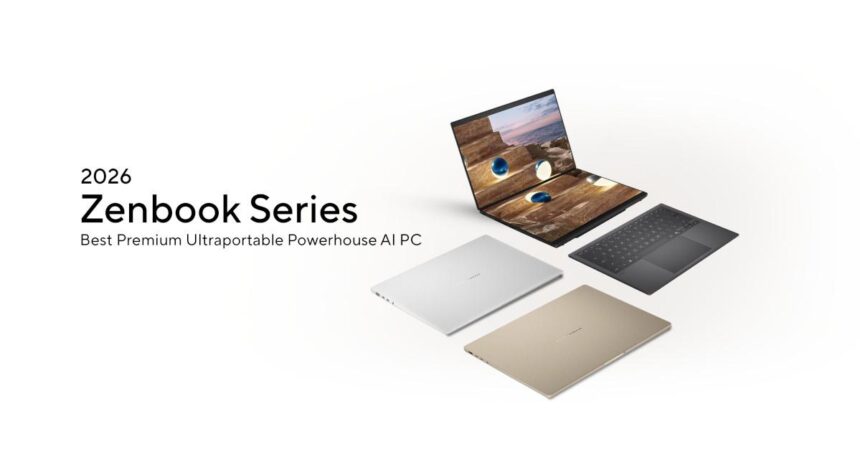
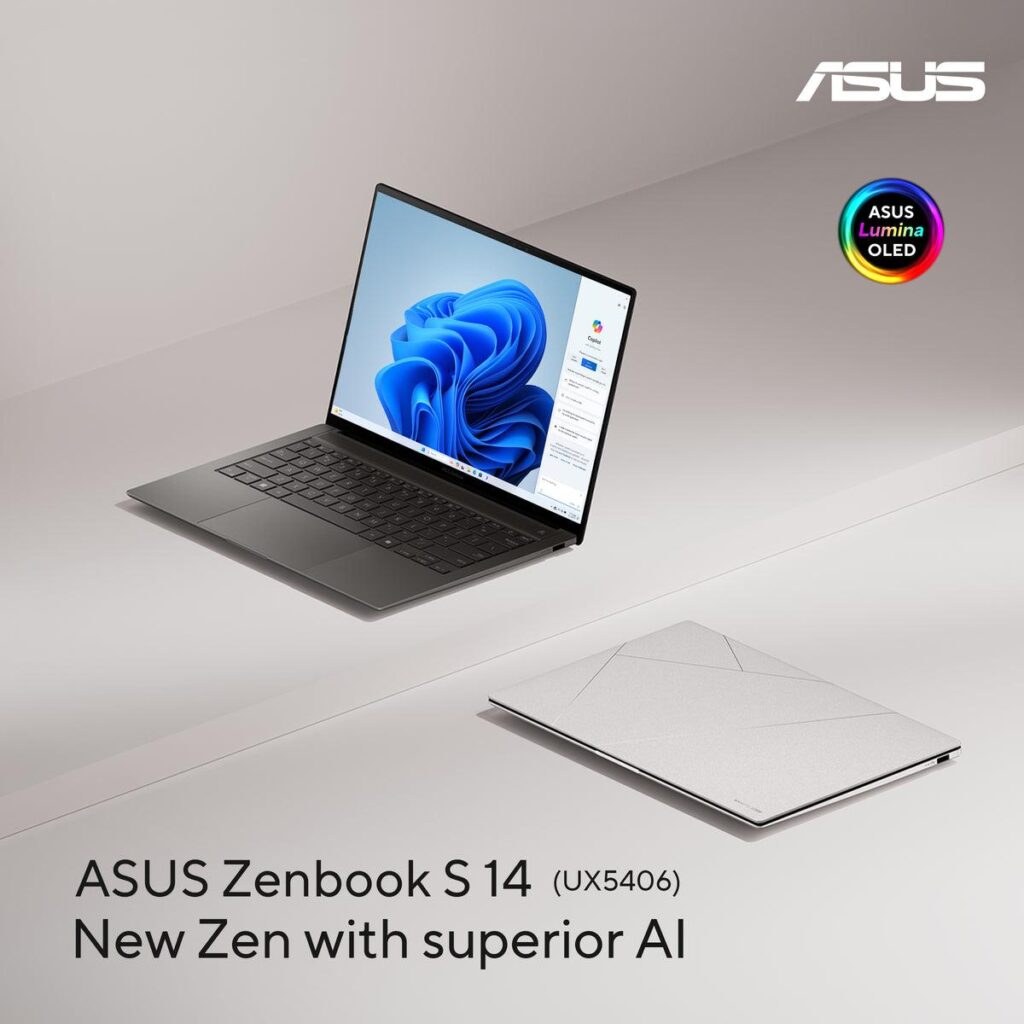
The latest announcements from ASUS reflect this shift. Rather than positioning AI as a premium add-on, the company is integrating dedicated AI capabilities directly into its newest notebook lineup, signaling that intelligent computing is becoming a standard expectation for modern PCs rather than a niche feature.
Why AI Laptops Are Becoming The Industry’s Biggest Focus
The rapid growth of generative AI has forced hardware manufacturers to rethink the role of the personal computer. Instead of acting only as a gateway to online services, laptops are increasingly expected to process AI workloads directly on the device. This approach offers faster performance, better privacy and reduced dependence on constant internet connectivity.
Dedicated Neural Processing Units (NPUs) have become one of the biggest hardware upgrades in recent years. These specialized processors handle AI-related tasks more efficiently while consuming far less power than traditional CPUs or GPUs. As a result, features such as live transcription, intelligent photo editing, document summarization and real-time language translation can run smoothly without significantly affecting battery life.
ASUS Joins The Growing AI PC Race
ASUS is the latest manufacturer to expand its AI-focused product portfolio, joining an increasingly competitive market that already includes devices built around Microsoft’s Copilot+ PC initiative and AI-ready processors from major chipmakers. The company’s newest laptops emphasize intelligent productivity features alongside modern hardware, demonstrating how AI is becoming a core part of the overall computing experience rather than a separate application.
The broader strategy reflects a larger industry trend. Instead of asking consumers whether they want AI features, manufacturers are designing laptops where artificial intelligence quietly improves everyday tasks in the background. From organizing files to enhancing video calls and accelerating creative workflows, AI is gradually becoming part of the operating system itself.
“The next generation of laptops won’t be defined only by faster processors. They’ll be judged by how intelligently they assist users throughout the day.”
GizmoTeam
Why On-Device AI Matters
Running AI models directly on a laptop offers several practical advantages. Sensitive information can remain on the device instead of being uploaded to cloud servers, reducing privacy concerns for businesses and individual users. Local processing also improves response times because requests no longer depend entirely on internet connectivity.
More Read



This architecture is becoming increasingly important as organizations adopt AI tools for document analysis, software development and content creation. Professionals who frequently work while traveling or in environments with limited connectivity may benefit the most from these improvements.
Consumers May Soon Expect AI As A Standard Feature
Only a few years ago, dedicated graphics cards and OLED displays were considered premium upgrades. Today, AI acceleration appears to be following a similar path. Industry analysts expect artificial intelligence to become a standard feature across most mid-range and premium laptops over the next few product cycles, making AI capabilities as common as fingerprint readers or high-refresh-rate displays.
This shift could also influence buying decisions. Consumers may begin comparing laptops not only by processor speed, display quality or battery life, but also by the intelligence of built-in software features and the performance of their dedicated AI hardware.
The Future Of Personal Computing Is Becoming More Intelligent
Artificial intelligence is gradually changing what people expect from a computer. Instead of simply responding to commands, future laptops will increasingly anticipate user needs, automate repetitive tasks and provide contextual assistance throughout the workday.
The transition will not happen overnight, but the direction is becoming clear. Hardware manufacturers are investing heavily in AI-focused designs because they believe intelligent computing will define the next generation of personal devices. Recent product launches suggest that the era of the AI laptop has already begun.