




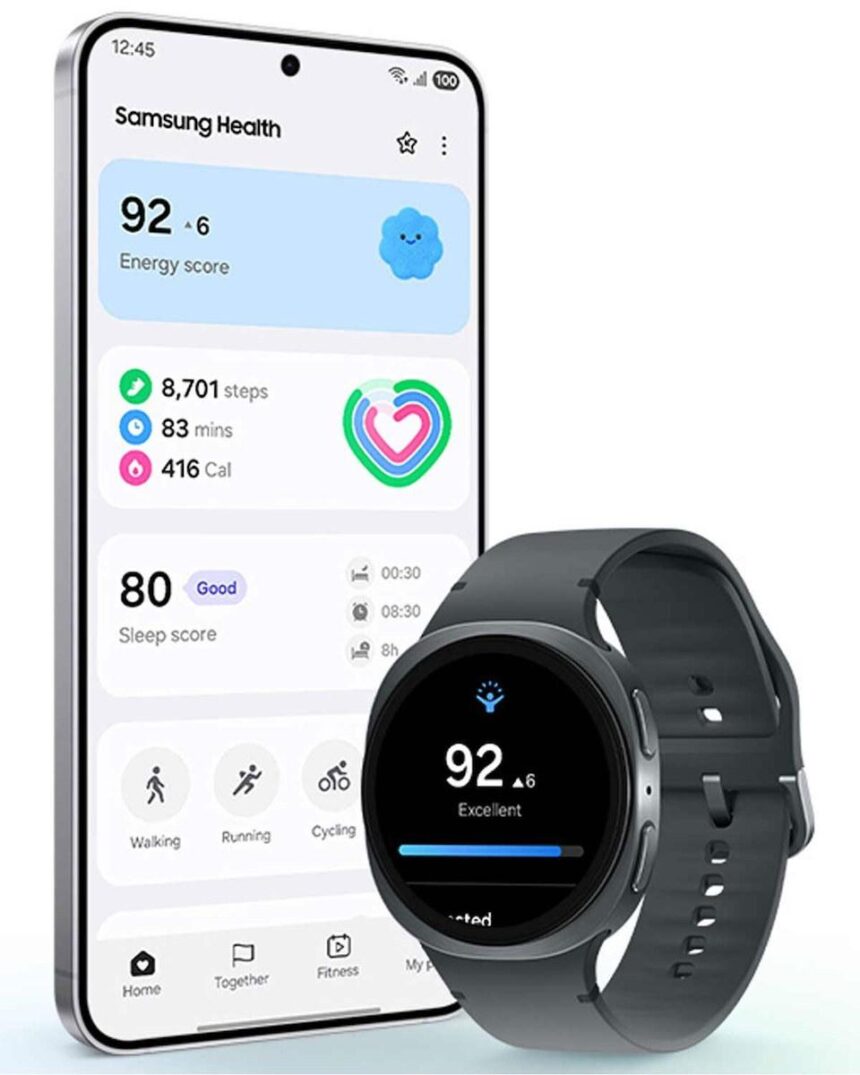
Samsung is making another significant change to its health platform, and this time it affects one of the more advanced wellness features available on the Samsung Galaxy Watch. Beginning with the rollout of Samsung Health 7.0 alongside One UI 9 Watch, the company will discontinue its Vascular Load feature for users in the United States and shift its attention toward a new tool called Blood Pressure Trends.
The decision reflects Samsung’s broader strategy of making health information easier to understand and more practical for everyday users. Rather than presenting a complex cardiovascular metric, the company appears to be focusing on long-term blood pressure monitoring that offers clearer insights into changing health patterns over time.
Why Samsung Is Retiring Vascular Load
Samsung introduced Vascular Load as a wellness feature that estimated stress on blood vessels while users slept. Using the Galaxy Watch’s optical heart sensor, also known as a photoplethysmography (PPG) sensor, the watch analyzed changes in blood flow and vascular stiffness throughout the night.
The idea was to help users understand how factors such as stress, sleep quality, diet, and recovery could influence cardiovascular health. While technically impressive, the feature remained relatively advanced and was not always easy for average users to interpret.
With the next software update, Samsung will remove the feature entirely for US users. Existing Vascular Load data will disappear from the Samsung Health app, although users can still download their personal records before the feature is retired.
“Samsung’s latest health update signals a shift from advanced cardiovascular metrics toward health insights that are easier for everyday users to understand and monitor.”
Blood Pressure Trends Become The New Focus
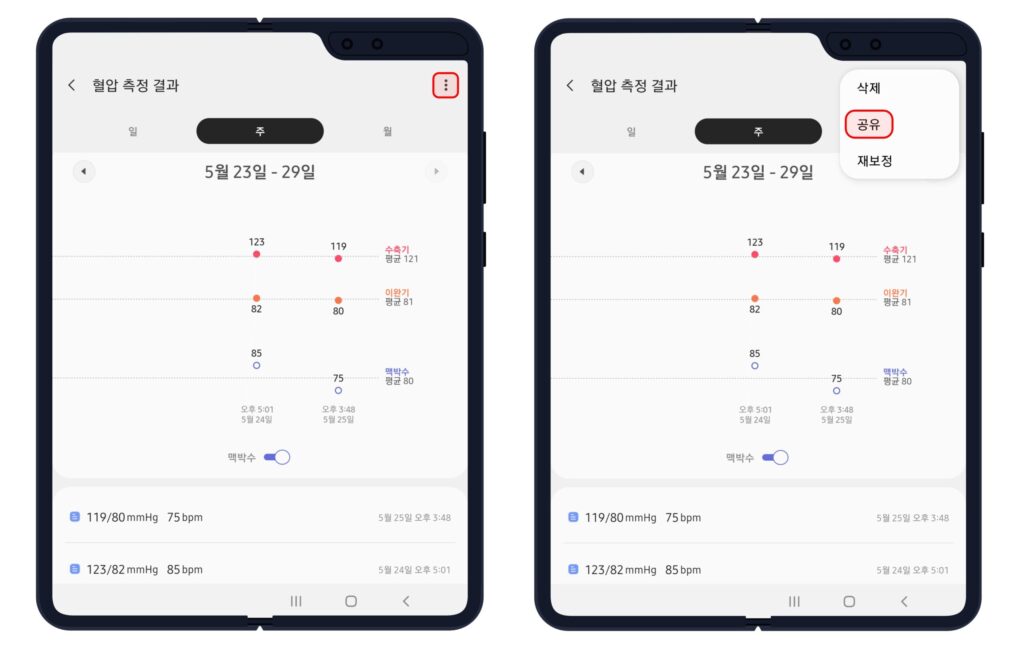
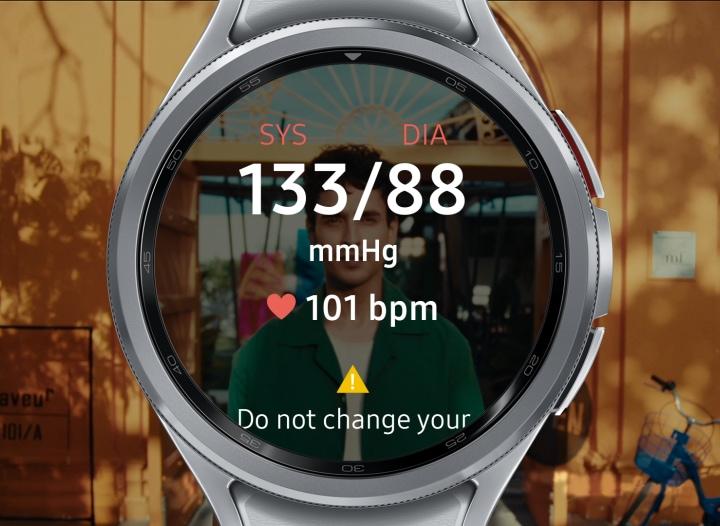
Replacing Vascular Load is a feature called Blood Pressure Trends, which Samsung first announced earlier this year. Instead of providing a single measurement, the feature tracks blood pressure over time to help users recognize long-term changes and develop healthier daily habits.
The system still requires calibration using a traditional blood pressure cuff. Users must recalibrate the watch every 28 days to maintain measurement accuracy, ensuring the wearable continues producing reliable trend data.
More Read






Samsung also says the feature will provide wellness recommendations based on those measurements, although it is important to remember that the information is designed for personal health awareness rather than clinical diagnosis.
The New Feature Arrives With One UI 9 Watch
According to Samsung’s notice, the transition will begin in late July when One UI 9 Watch and Samsung Health 7.0 start rolling out in the United States. The company specifically references the upcoming Samsung Galaxy Watch 9, although Blood Pressure Trends is expected to work with compatible Galaxy Watch models that already support Samsung’s blood pressure monitoring technology.
This suggests Samsung may be using the Galaxy Watch 9 launch to highlight improvements to its digital health ecosystem, even if some existing devices are capable of supporting the same functionality through software updates.
Samsung Continues Expanding Its Health Ecosystem
Health tracking has become one of Samsung’s strongest competitive advantages in the smartwatch market. Over the past few years, the company has steadily expanded its wearable capabilities with features such as ECG monitoring, sleep coaching, body composition analysis, irregular heart rhythm notifications, and advanced fitness tracking.
Replacing Vascular Load with Blood Pressure Trends appears to be another step toward making those health tools more practical for everyday use. Instead of introducing increasingly technical metrics, Samsung seems to be prioritizing information that users can understand more easily and incorporate into their daily wellness routines.
As wearable technology continues evolving, software updates are becoming just as important as new hardware. Features that provide clearer insights and encourage healthier habits may ultimately prove more valuable than complex measurements that are difficult for most users to interpret.