



Samsung’s next smartwatch lineup is already beginning to surface online weeks ahead of its expected summer launch event, and while the first leaked images may not immediately excite users hoping for a fresh design overhaul, the company’s biggest changes this year appear to be happening somewhere much more important — inside the hardware itself.
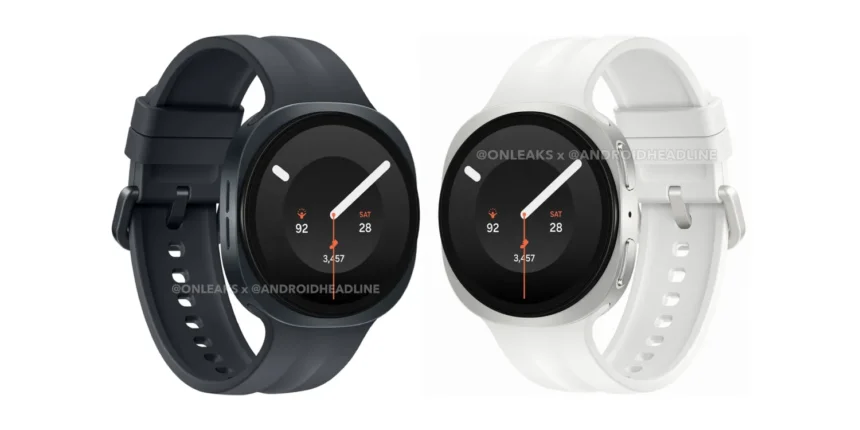
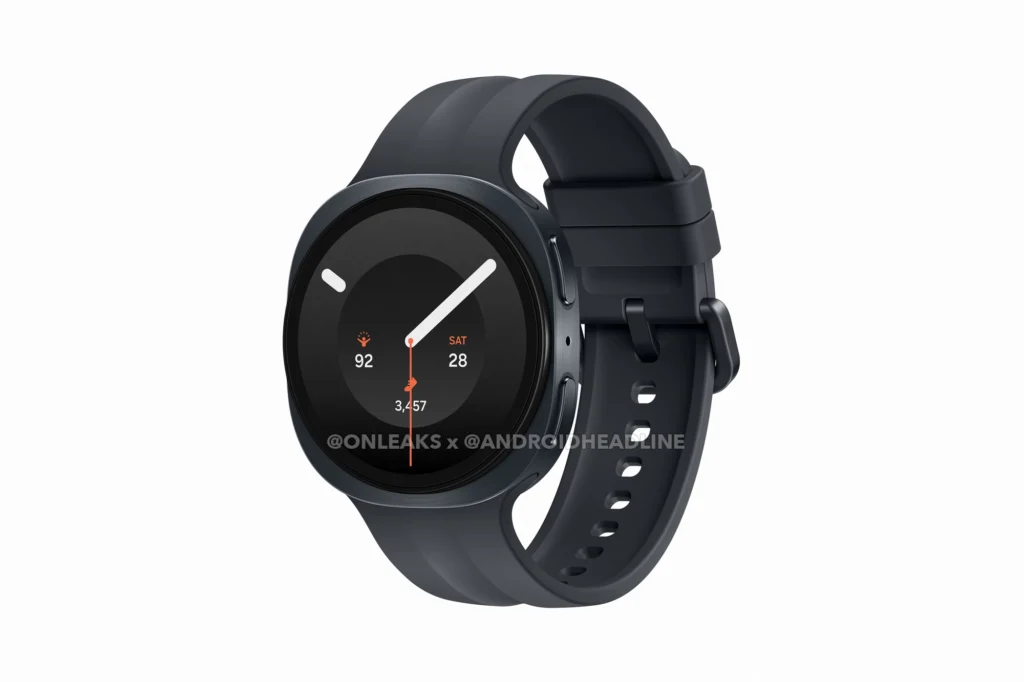
New press renders suggest the upcoming Galaxy Watch 9 will continue using nearly the same physical design language introduced with last year’s Galaxy Watch 8. At first glance, many consumers may struggle to notice any major visual difference. The familiar rounded display remains, sitting on Samsung’s now-recognizable squircle-shaped chassis that the company introduced as part of its evolving wearable design identity.
Interestingly, that design decision may not necessarily disappoint existing users.
Over the past year, Samsung’s smartwatch design has gradually earned appreciation for being distinct enough to stand apart from competing Wear OS devices while also offering practical benefits. The flatter body structure allows the watch to sit more comfortably against the wrist while improving sensor contact for more accurate health tracking and biometric monitoring.
In simple terms, Samsung does not appear interested in reinventing the hardware design this year.
Instead, the real story seems to revolve around performance.
One of the biggest reported changes involves Samsung’s processor decision. After relying heavily on its own Exynos wearable chips in recent generations, the company is now expected to shift back toward Qualcomm’s newly introduced Snapdragon Wear Elite platform, first announced during Mobile World Congress earlier this year.
More Read






This move could quietly become one of the most important wearable upgrades Samsung has made in several years.
Unlike older smartwatch chipsets primarily focused on efficiency and basic app performance, Qualcomm’s new platform is heavily optimized around artificial intelligence processing. That matters because wearable technology is rapidly evolving beyond simple notifications, step counting and heart-rate monitoring.
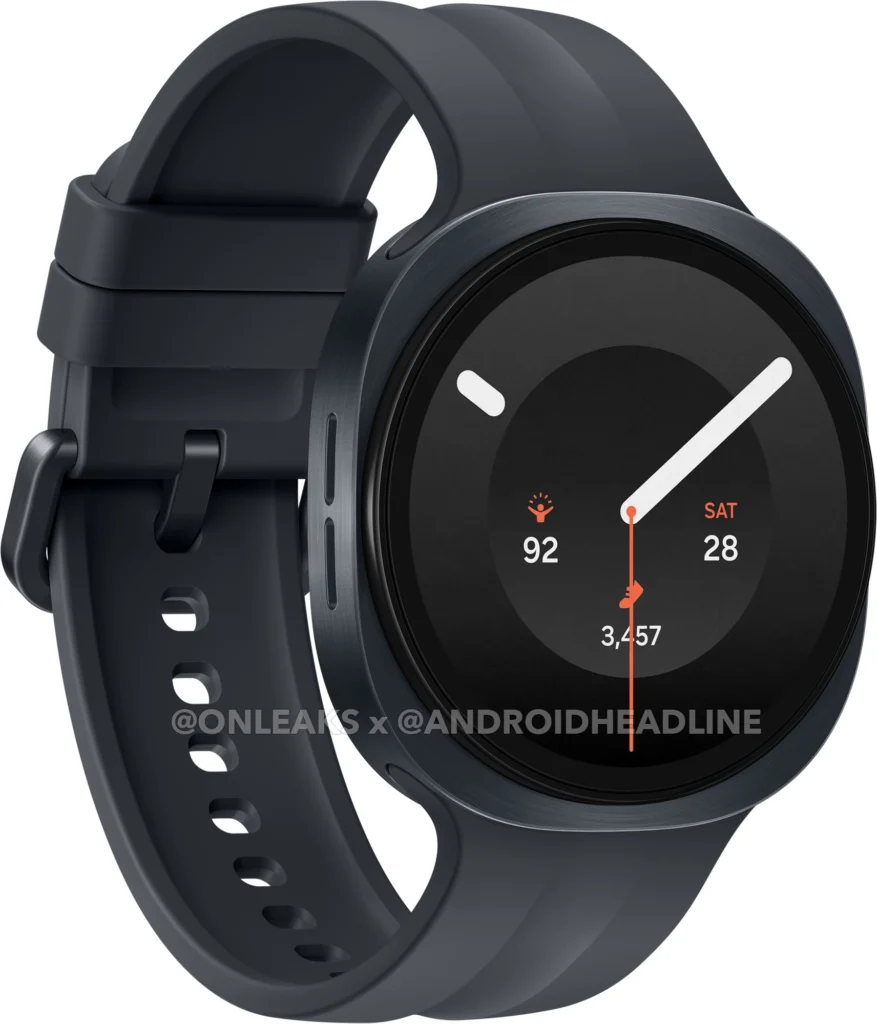
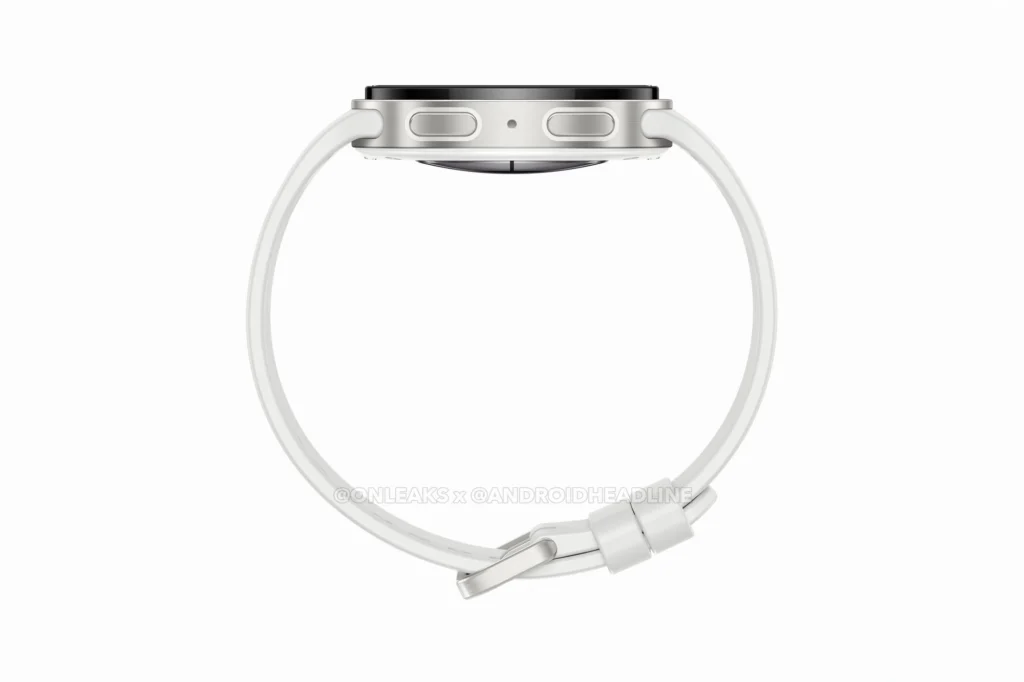
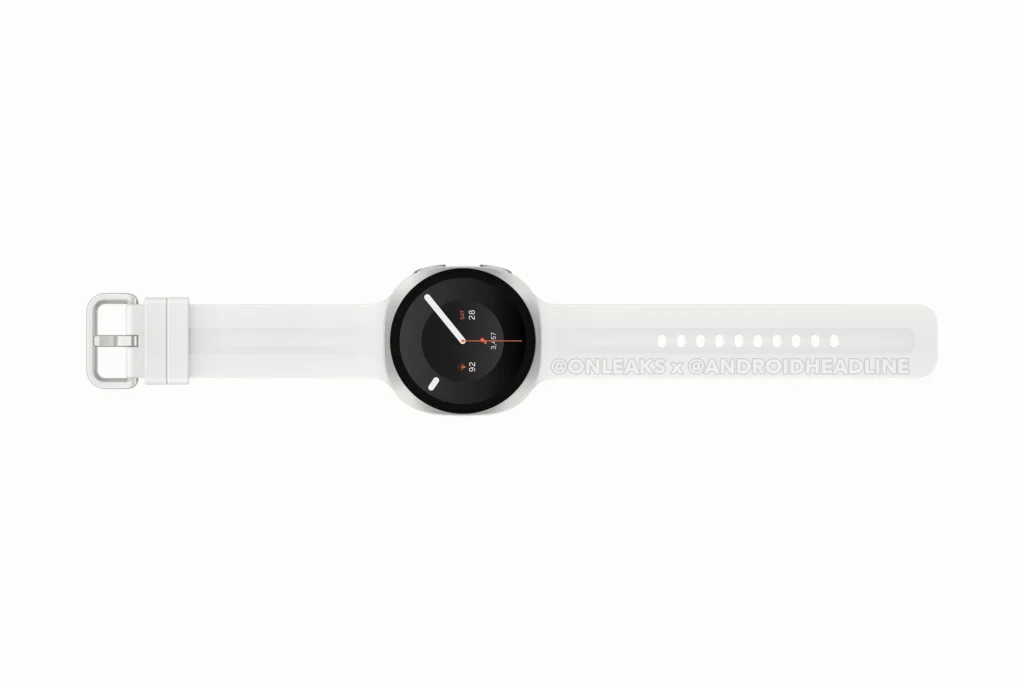
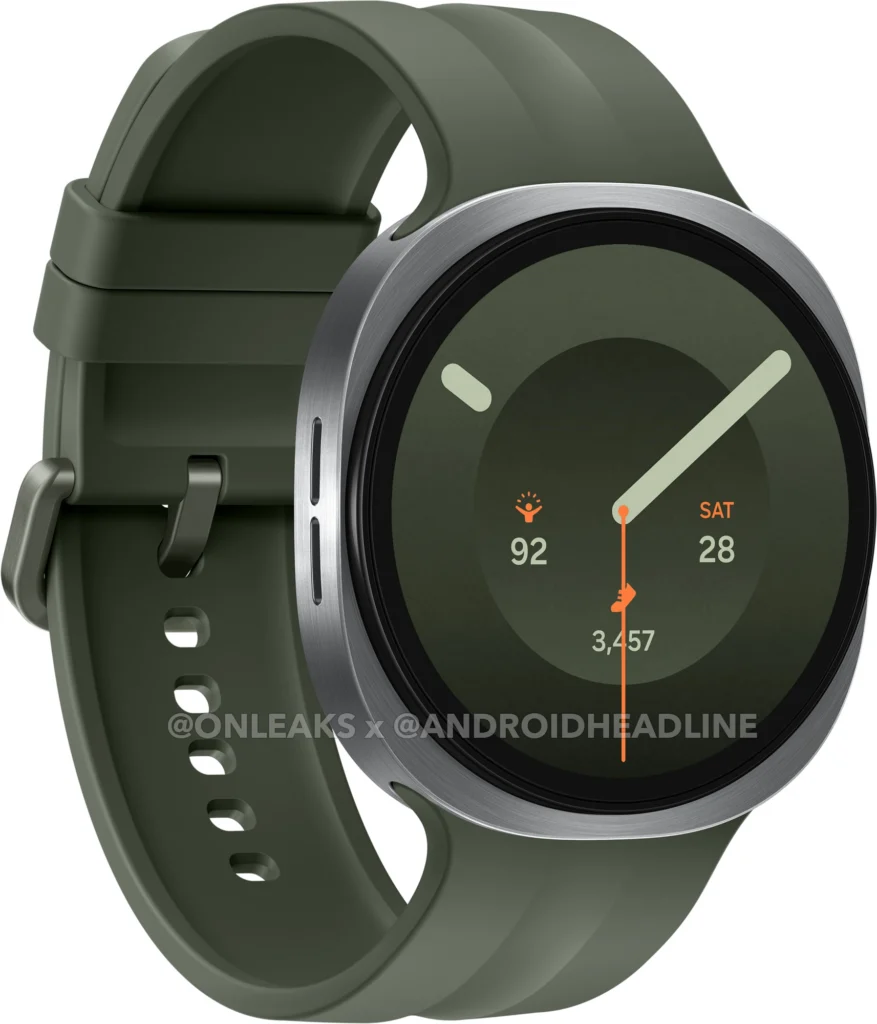
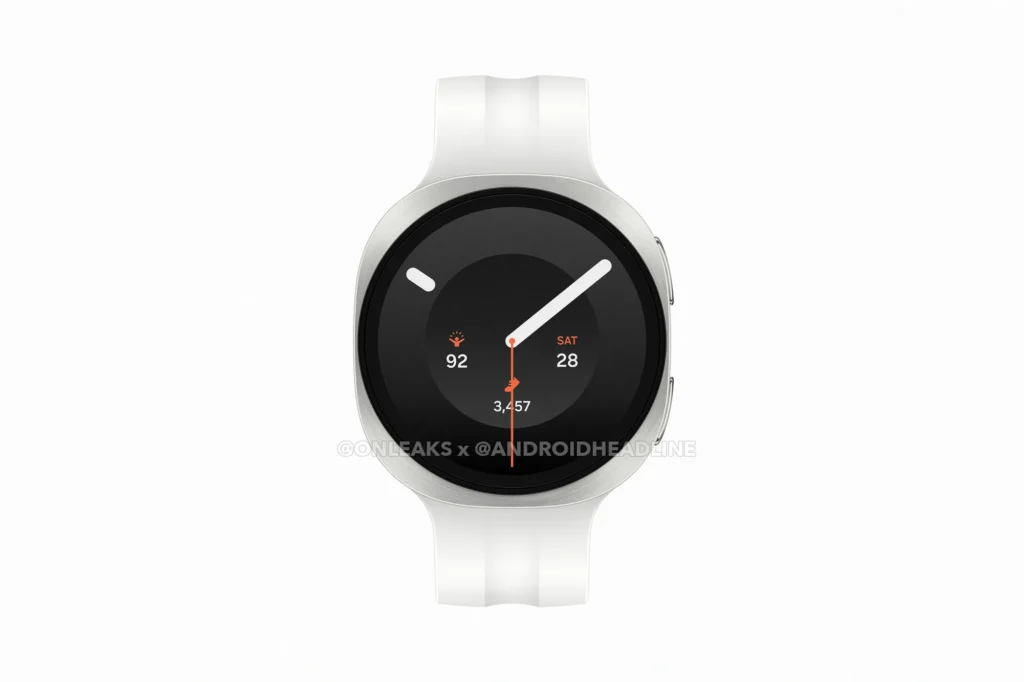
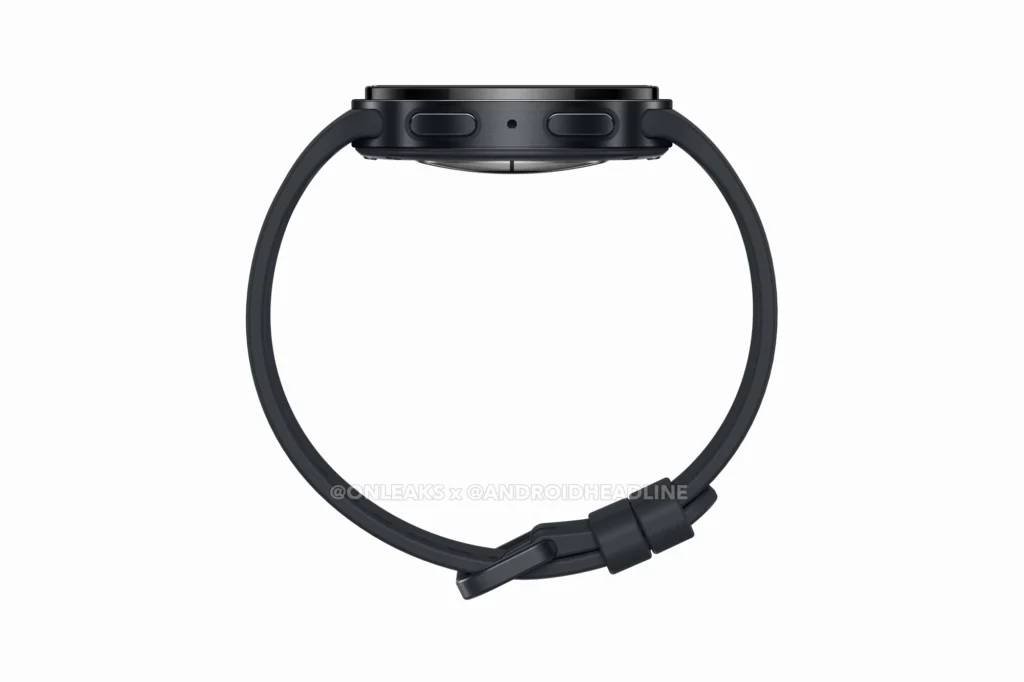
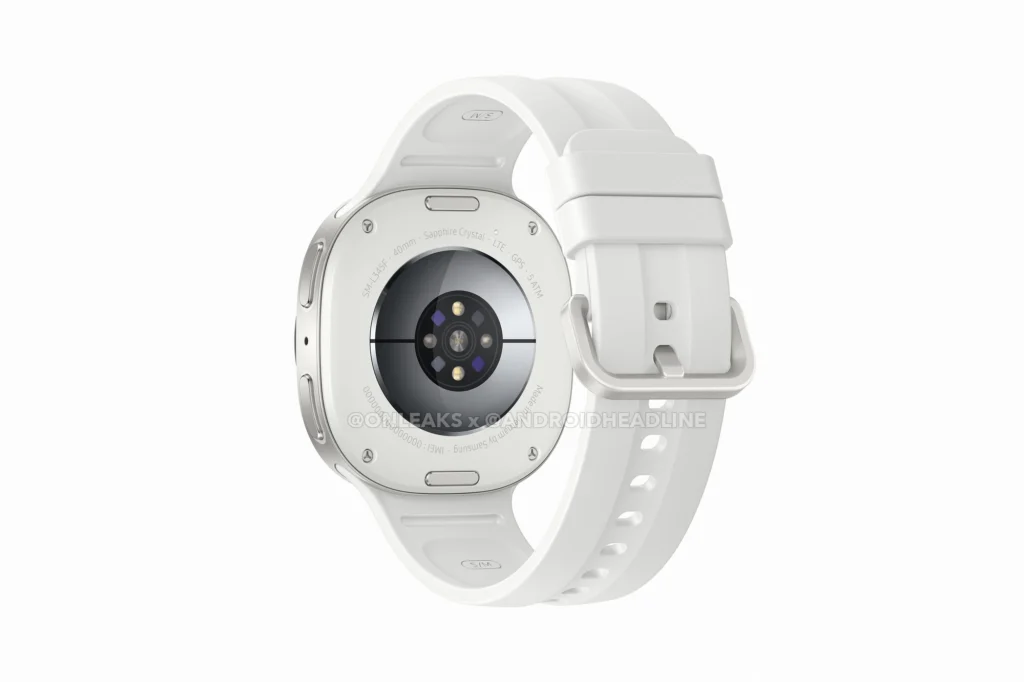
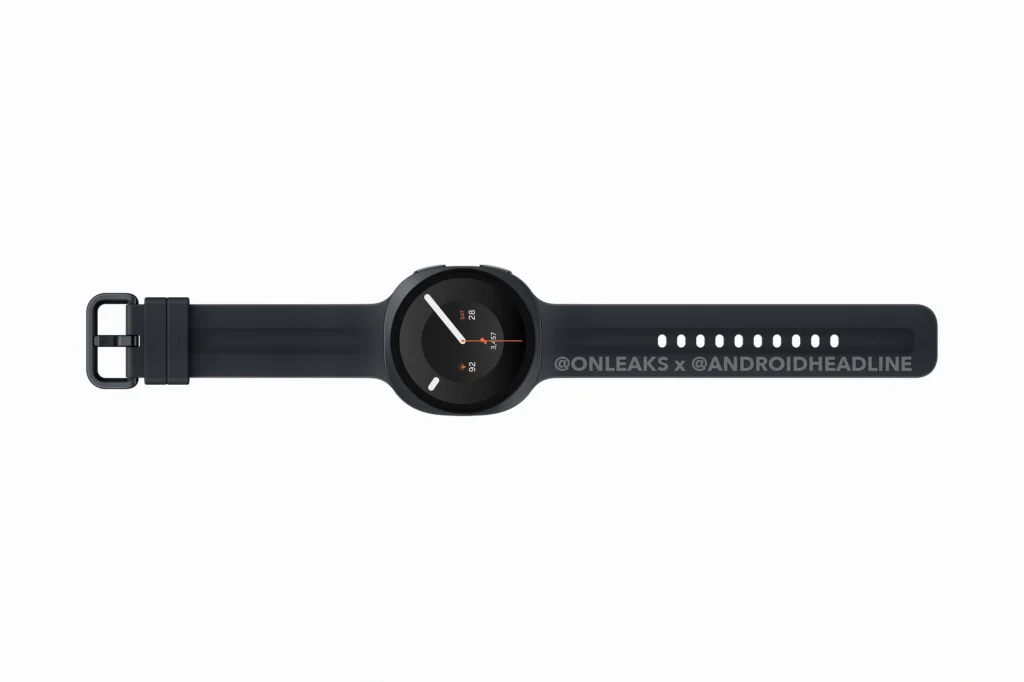
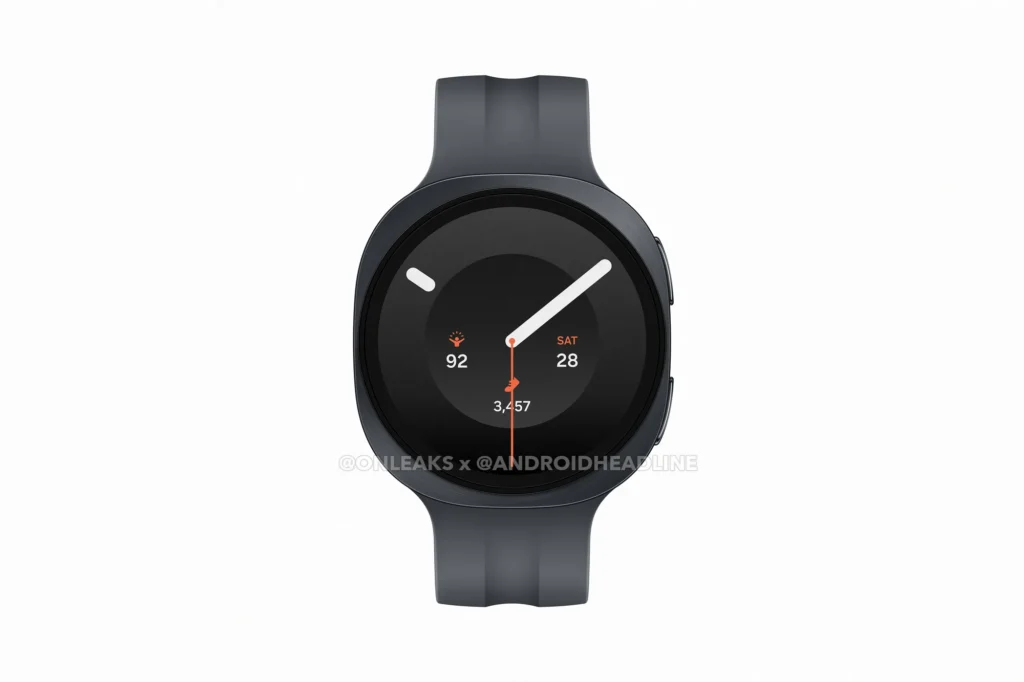
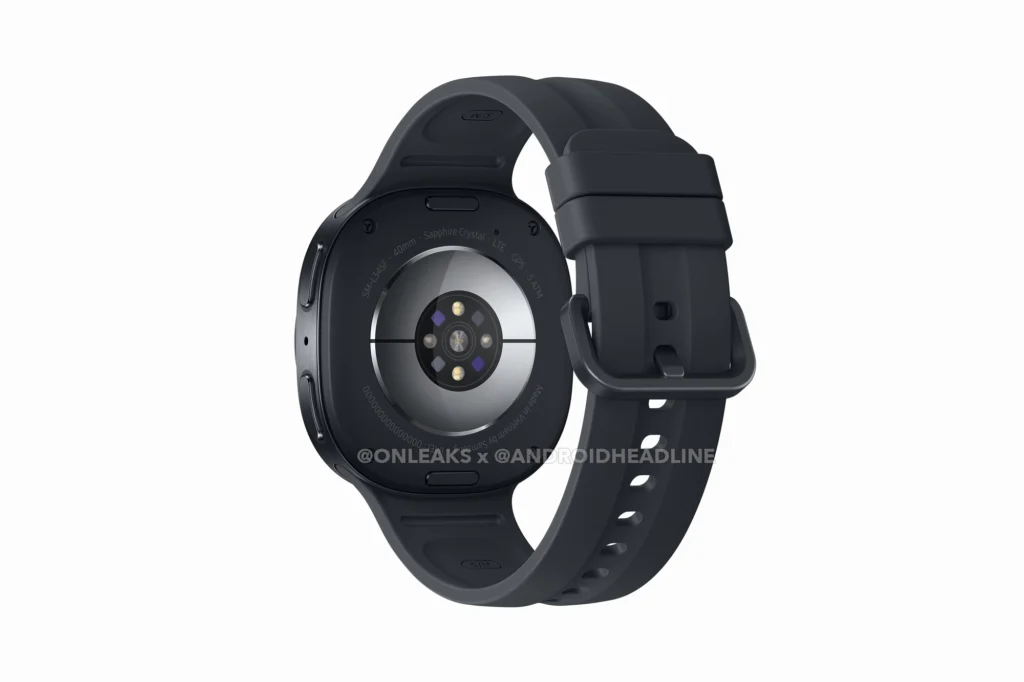
Modern smartwatches are increasingly expected to deliver smarter voice assistants, faster health analysis, better predictive recommendations and more intelligent background processing happening directly on-device. In many ways, Samsung appears to be preparing its smartwatch lineup for a future where AI becomes a central part of everyday wearable computing.
The physical hardware may look familiar. But what the watch can actually do may change dramatically.
As for product variants, Samsung is expected to continue its dual-size strategy that has worked consistently over recent years. Current leaks suggest the Galaxy Watch 9 will launch in both 40mm and 44mm versions, with the smaller model reportedly arriving in Cream and Graphite finishes while the larger version may be offered in Silver and Graphite.
Connectivity options are expected to remain unchanged as well, with buyers likely seeing both Bluetooth and LTE variants return once again.
One interesting detail, however, is Samsung’s continued decision to avoid introducing 5G connectivity inside its wearables. Considering competitors such as Apple have already begun pushing more advanced connectivity options in premium smartwatch models, Samsung’s decision to remain with LTE may surprise some users expecting faster standalone mobile connectivity directly from their wrist.
Pricing may also become an important talking point this year.
Although Samsung has not officially revealed pricing, current market expectations suggest the company could introduce another price increase following component shortages currently affecting several hardware categories worldwide. Industry estimates suggest prices could rise by roughly fifty dollars compared to previous models, potentially pushing the entry model closer to the $399 range while larger variants may approach approximately $429.
The reason appears simple. Global supply chain pressure is continuing to affect RAM availability and manufacturing costs, forcing several consumer technology brands to reconsider pricing across smartphones, laptops and wearables throughout 2026. Samsung is unlikely to be immune. The Galaxy Watch 9 is expected to officially debut during Samsung’s annual Unpacked event scheduled for late July, with London currently rumored as the likely host city. The smartwatch launch will probably arrive alongside several other major hardware announcements, including Galaxy Watch Ultra 2, Galaxy Z Fold 8, Galaxy Z Fold 8 Ultra and Galaxy Z Flip 8.
That makes this upcoming Unpacked event one of Samsung’s most important launch windows of the year. What makes the Galaxy Watch 9 interesting is not necessarily how different it looks compared with last year’s model. Instead, the bigger question is whether Samsung is quietly repositioning its wearable lineup around artificial intelligence in the same way smartphone manufacturers have spent the last year redesigning flagship devices around AI-first experiences.
If these leaks prove accurate, Samsung may be signaling a much bigger transition already underway inside the smartwatch industry. The next major wearable upgrade cycle may no longer be about design. It may be about intelligence.
Wearable technology is entering a new phase where the biggest innovation may no longer be visible on the outside, but hidden deep inside processors increasingly designed to think, learn and respond more intelligently than ever before.
Galaxy Watch 9 Expected Specifications
| Specification | Expected Details |
|---|---|
| Processor | Snapdragon Wear Elite |
| Sizes | 40mm, 44mm |
| Connectivity | Bluetooth, LTE |
| Colors | Cream, Silver, Graphite |
| Estimated Price | $399 – $429 |
| Launch Window | July 2026 Samsung Unpacked |
If you’re following wearable technology trends, you may also like reading our upcoming coverage on Apple’s new Siri-powered watchOS update and how AI is quietly transforming the future of smartwatches.
What Do You Think?
Would you upgrade if Samsung improves AI performance significantly while keeping nearly the same hardware design?
Or do you think smartwatch buyers now expect more visible hardware innovation before spending more money?
Let us know what you think.