

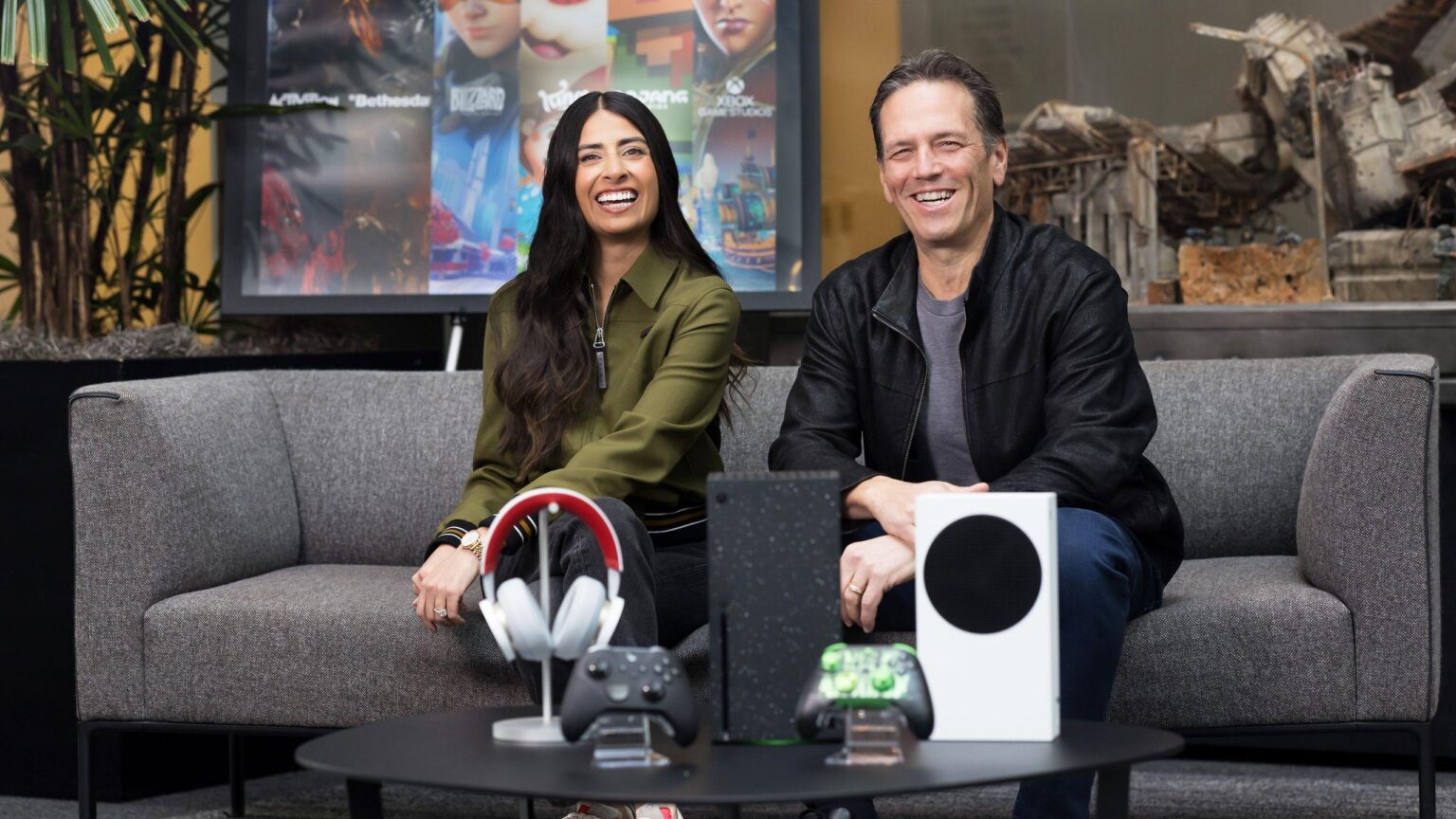


Microsoft is reportedly making significant internal changes within its Xbox gaming division as the company reevaluates its long-term gaming strategy amid rapidly changing market conditions. Recent reports suggest company leadership is reviewing structural changes designed to strengthen Xbox’s future position as competition intensifies across the global gaming industry.
The development comes at an important time for Microsoft as traditional console competition continues evolving beyond simple hardware sales. Subscription services, cloud gaming infrastructure, digital marketplaces, and platform ecosystems are increasingly becoming more important than console hardware alone.
The gaming industry is changing faster than many expected and major technology companies are adjusting their strategies accordingly.
Xbox Faces A Changing Gaming Market
For years, console competition largely focused on hardware power, exclusive games, and global sales performance between major players like Sony PlayStation and Microsoft Xbox. However, recent shifts in consumer behavior have forced gaming companies to rethink how future growth will be achieved.
Gaming is gradually becoming a service-driven industry.
Players are increasingly moving toward digital purchases, subscription gaming libraries, cloud gaming services, cross-platform ecosystems, and flexible access models that reduce dependence on physical hardware ownership.
Microsoft has heavily invested in services like Game Pass, cloud gaming infrastructure, and multi-device gaming ecosystems. This suggests the company may increasingly prioritize long-term platform growth over traditional console competition.
More Read






Hardware Sales No Longer Define Success Alone
Industry analysts believe the modern gaming business is entering a transition period where hardware sales alone may no longer determine long-term success.
While Xbox Series X continues competing strongly in performance categories, Sony’s PlayStation ecosystem continues maintaining powerful momentum globally through exclusive content partnerships and strong consumer brand loyalty. Microsoft appears focused on building a broader gaming ecosystem rather than depending solely on console sales. The company’s growing investment in cloud gaming technology signals a larger long-term strategy.
“The future of gaming may no longer depend on which console sits under a television — but which ecosystem keeps players connected everywhere.”
Subscription Gaming Continues Becoming More Important
One major factor influencing Microsoft’s strategy is the growing importance of subscription-based gaming services. Platforms offering instant access to large game libraries are changing how players discover and consume digital entertainment.
Services like Xbox Game Pass continue playing a central role in Microsoft’s future gaming vision. Rather than focusing only on individual game purchases, subscription ecosystems create recurring long-term customer engagement models. This fundamentally changes how gaming companies generate revenue. The industry is gradually shifting toward continuous service-based business models.
The Gaming Industry Is Entering A New Era
While Microsoft has not publicly confirmed every internal restructuring detail, industry reporting suggests the company is carefully adapting to one of the biggest shifts the gaming industry has experienced in years.
The future of gaming now extends far beyond traditional consoles. Cloud infrastructure, digital subscriptions, cross-platform access, artificial intelligence integration, and long-term digital ecosystems are becoming increasingly important across the entire industry.
Microsoft’s reported Xbox restructuring may simply reflect a much larger transformation happening globally.
Gaming is no longer just hardware. It is becoming a fully connected digital ecosystem.