



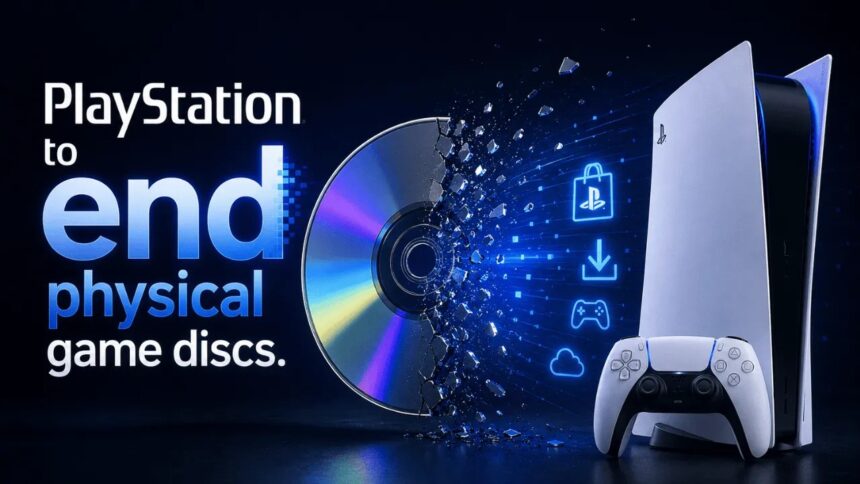
For decades, buying a new PlayStation game meant holding a physical box, opening the case, and sliding a disc into the console. For many players, that ritual is as much a part of gaming as the games themselves. That tradition is now facing its biggest challenge yet. Sony has confirmed that beginning in January 2028, new PlayStation titles will no longer be released on physical discs, marking a major shift toward an entirely digital future. The announcement has triggered widespread backlash from gamers, collectors, preservation groups, and retailers who believe the move threatens ownership, accessibility, and the long-term preservation of video games. The debate has quickly grown beyond a simple argument about discs versus downloads. Instead, it has become a discussion about who truly owns the games they buy.
Why Physical Games Still Matter to Gamers
Sony says the decision reflects changing consumer behavior. According to company statements, digital purchases now vastly outnumber physical sales, making the continued production of discs less attractive from a business perspective. During a recent earnings discussion, Sony executives pointed to the broader digitalization of entertainment as a key factor behind the move. The numbers help explain Sony’s position. Recent reports indicate that digital game sales generate significantly more revenue than physical game sales, while in-game purchases and downloadable content continue to grow as major income streams for publishers. From Sony’s perspective, digital distribution offers several advantages:
| Benefit | Why It Matters |
|---|---|
| Lower manufacturing costs | No discs, packaging, or shipping |
| Faster distribution | Instant downloads worldwide |
| Higher profit margins | Fewer retail middlemen |
| Greater control | Direct relationship with customers |
| Reduced inventory risks | No unsold physical stock |
For investors, the strategy makes financial sense. For many gamers, however, it raises uncomfortable questions.
Why Gamers Are Angry About the End of Physical Games
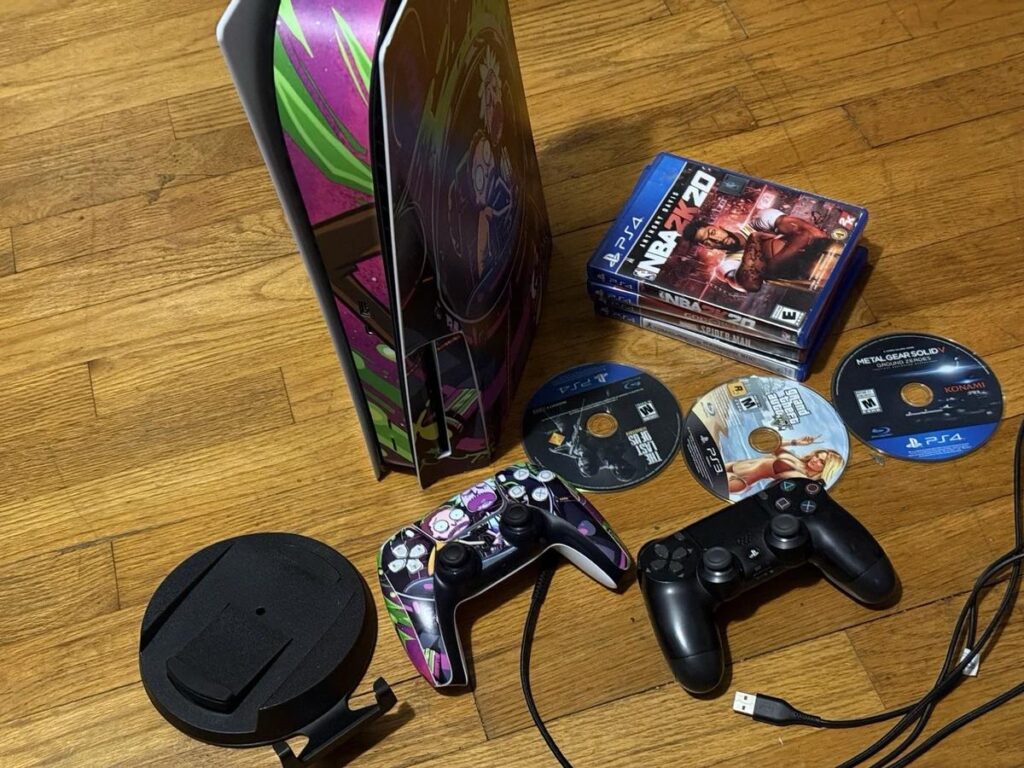
The backlash against Sony’s decision has been immediate and widespread. Critics argue that physical games provide something digital purchases often cannot: genuine ownership. When a player buys a disc, they own a physical copy that can be played, traded, lent to friends, resold, or kept as part of a collection. Digital purchases, on the other hand, are typically tied to licenses that depend on platform access and publisher agreements. For many players, this is the core issue. It’s not simply about collecting boxes on a shelf. It’s about maintaining control over products that were purchased with real money.

The Petition Against Sony Has Surpassed 170,000 Signatures
The backlash has moved beyond social media. A Change.org campaign known as “Don’t Kill the Disc” has gathered more than 170,000 signatures, making it one of the largest gaming petitions in recent years. Supporters argue that physical games should remain an option rather than being eliminated entirely. Many petition supporters emphasize that they are not opposed to digital gaming. Instead, they want consumers to retain the freedom to choose how they purchase and access games. That distinction has become a recurring theme throughout the debate.
The #PSBlackout Protest Explained
The controversy has also led to organized protests. A gaming preservation group known as Does It Play? has called for a week-long #PSBlackout campaign scheduled for August 23–30, 2026. Participants are being encouraged to avoid PlayStation Network, refrain from PlayStation Store purchases, and temporarily stop engaging with Sony’s ecosystem. The protest is intended to send a message that many players are unhappy with the company’s direction. Whether it will have a measurable impact on Sony’s business remains uncertain, but the movement highlights the level of frustration within parts of the PlayStation community.
The Game Preservation Problem
One of the strongest arguments in favor of physical games comes from preservation advocates. Video game preservation has become increasingly difficult as more titles rely on online services, patches, and digital storefronts. Physical discs are not a perfect solution, but they often provide a lasting copy that can survive long after digital storefronts change or disappear. Preservation groups argue that a fully digital future could make it harder to archive and study gaming history. This concern is especially important for smaller titles that may not receive long-term support. Without physical copies, some games could become difficult—or even impossible—to access decades from now.
More Read





Do Players Really Own Digital Games?
Perhaps the most important question raised by Sony’s decision is whether digital purchases represent true ownership. Recent licensing disputes across entertainment platforms have reminded consumers that buying digital content often means purchasing access rather than permanent ownership. In some cases, content has disappeared because licensing agreements expired. While game removals remain relatively rare, critics argue that a digital-only future gives publishers unprecedented control over how games are distributed, accessed, and preserved.
For players who value certainty and permanence, physical games still provide reassurance that a digital license cannot.
Why Sony Is Unlikely to Reverse Course
Despite the backlash, there are few signs that Sony plans to reconsider. The company has acknowledged community concerns but continues to emphasize that consumer behavior is moving toward digital purchases. Recent reports suggest the backlash has not had a significant impact on Sony’s business performance so far. The reality is that digital distribution is becoming increasingly dominant across gaming, movies, music, and software. Even some major upcoming releases are already moving away from traditional disc-based distribution. That doesn’t mean the debate is over—but it does mean Sony appears committed to its current roadmap.
GizmoAlert Insight
The discussion around Physical Games isn’t really about nostalgia. Most gamers understand why digital downloads are convenient. The real concern is consumer choice. Many players want the option to buy digitally when it makes sense and physically when ownership, collecting, resale, or preservation matter more. By removing one of those options entirely, Sony has turned a business decision into a cultural debate about the future of gaming itself.
Final Thoughts
Sony’s plan to end PlayStation game discs in 2028 has become one of the most controversial gaming stories of the year. While digital gaming is clearly the industry’s direction of travel, the backlash shows that millions of players still see value in Physical Games. The petition movement, the upcoming #PSBlackout protest, and the ongoing ownership debate all demonstrate that this issue extends far beyond simple convenience. Whether Sony’s strategy ultimately succeeds or not, one thing is clear: the battle between physical and digital gaming is far from finished. The future may be digital, but many gamers aren’t ready to say goodbye to discs just yet.