

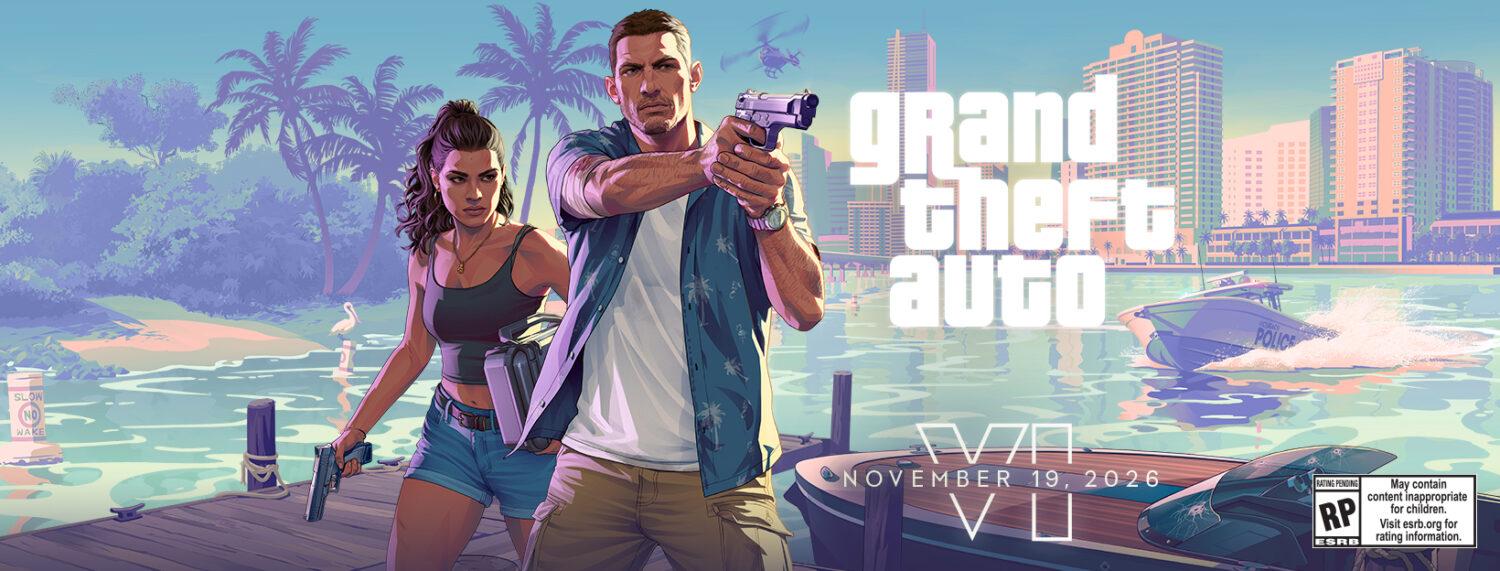


Rockstar Games has once again positioned Grand Theft Auto VI at the center of global gaming discussion, but this time the conversation extends far beyond gameplay trailers, release dates, or preorder excitement. Following the company’s recently revealed premium pricing structure, players and industry analysts have begun debating whether one of gaming’s biggest upcoming releases may also signal a larger economic shift taking place across the broader video game industry.
For years, premium console gaming largely operated within relatively predictable pricing structures that consumers gradually accepted as standard. However, Grand Theft Auto VI now appears to be challenging those expectations as players closely examine whether the game’s current pricing reflects something much larger than a single publisher’s launch strategy.
The debate surrounding GTA VI may ultimately reveal how future blockbuster games will be priced over the coming years.
Premium Game Pricing Is Becoming A Growing Industry Conversation
Modern video game development has become significantly more expensive than previous generations. Large open-world titles now require enormous engineering teams, advanced graphics technology, complex multiplayer infrastructure, years of development cycles, cinematic production quality, and increasingly sophisticated game engines capable of delivering highly immersive digital environments.
These rising development costs have gradually forced publishers to reconsider traditional pricing models that remained relatively stable for years. Grand Theft Auto VI represents one of the most expensive game development projects currently approaching release, making Rockstar’s pricing decisions especially important across the broader industry. Consumers are increasingly questioning whether premium game pricing may continue climbing upward as development complexity grows.
Publishers Are Facing New Economic Pressures
The economics behind large-scale game development have changed dramatically over the last decade. Rising labor costs, expanding technical requirements, larger development teams, cloud infrastructure expenses, live-service support models, global marketing campaigns, and growing expectations surrounding graphical realism continue increasing the financial burden publishers face before major titles ever reach consumers.
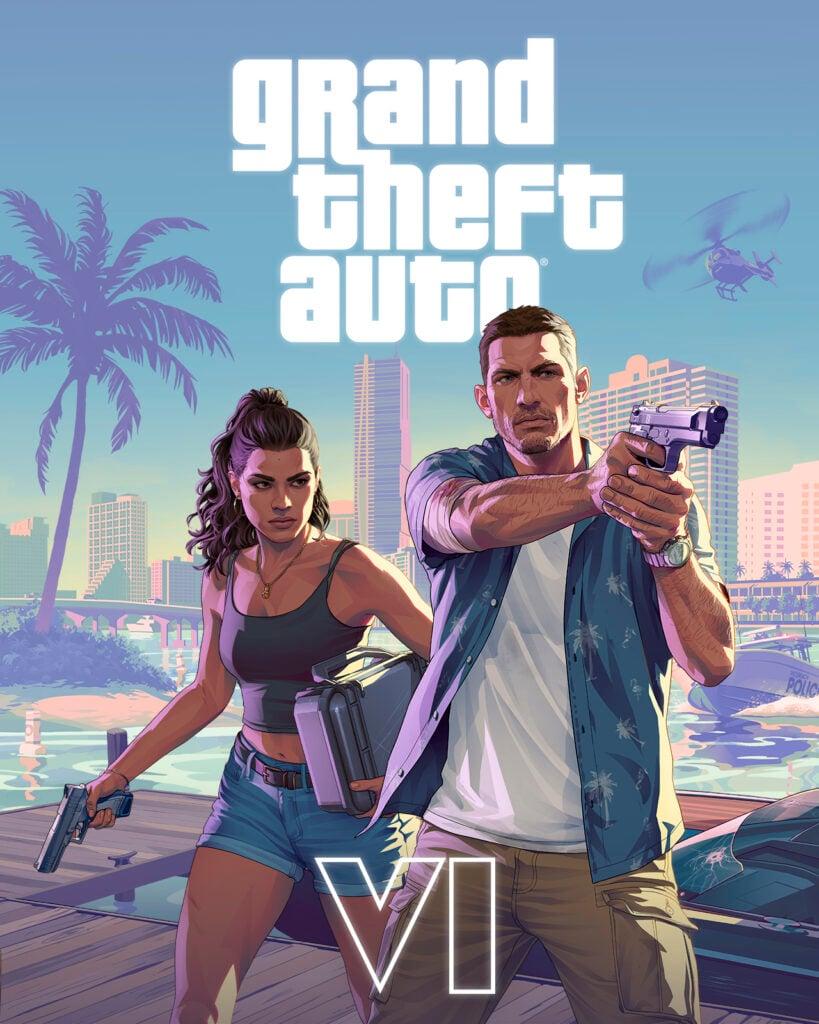
This creates pressure for companies to search for new ways of protecting long-term profitability. Historically, publishers relied heavily on downloadable content, subscription models, cosmetic purchases, and in-game monetization systems to extend revenue generation beyond initial game sales. However, premium launch pricing itself now appears increasingly central to future revenue planning.
More Read






Rockstar’s pricing strategy may simply reflect broader industry realities now affecting nearly every major publisher globally.
“Modern video games are no longer simple entertainment products. They increasingly resemble massive digital productions requiring budgets comparable to major Hollywood film projects.”
Consumers May Be Entering A New Era Of Premium Gaming Costs
One important question now facing consumers involves whether higher launch pricing may gradually become standard across future premium game releases. If Grand Theft Auto VI successfully demonstrates strong early sales despite premium pricing, other major publishers may feel increasingly comfortable adopting similar strategies for future blockbuster launches.
This could fundamentally reshape purchasing expectations across console gaming. For players, the conversation now extends beyond whether Grand Theft Auto VI justifies its price individually. The larger question is whether the gaming industry itself is quietly redefining what premium entertainment now costs.
GTA VI Could Influence More Than Gaming Culture Alone
Few modern entertainment products carry the same level of commercial influence as Grand Theft Auto. Rockstar’s ability to maintain extraordinary global attention around Grand Theft Auto VI gives the company unusual power to shape broader market expectations across the industry.
If consumers widely accept the company’s premium pricing strategy, the long-term effects may extend far beyond one successful game launch. Future pricing models across PlayStation, Xbox, PC gaming, subscription services, and digital storefront ecosystems may all gradually evolve as publishers respond to shifting consumer behavior.
Grand Theft Auto VI is already expected to become one of the largest entertainment launches of the decade.Now it may also help determine how expensive future blockbuster gaming becomes for millions of players worldwide.