


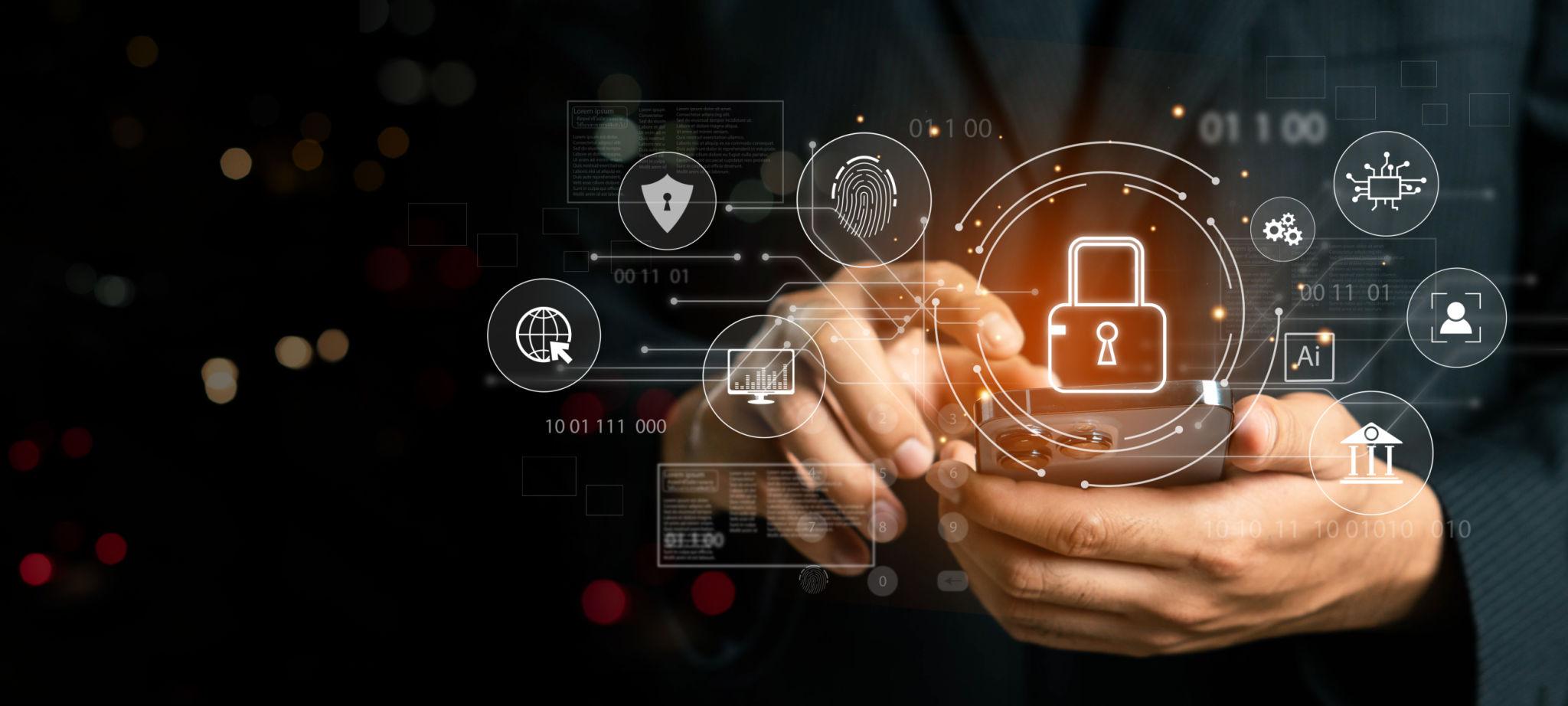


For most people, smartphones have become the center of everyday life. From online banking and social media accounts to work emails, digital payments, private conversations, and cloud storage, modern smartphones now carry more personal information than traditional computers ever did. But as technology becomes smarter, cyber threats are evolving just as quickly — and many users underestimate how vulnerable their devices really are.
While most smartphone owners believe having a password or fingerprint lock is enough to stay protected, cyber security experts are increasingly warning that mobile devices have become one of the most targeted entry points for modern digital attacks. In 2026, protecting your smartphone is no longer optional. It has become a necessity.
Why Smartphones Have Become a Major Target
Cybercriminals understand one simple fact: smartphones contain valuable personal data. Unlike desktop computers, smartphones remain connected almost constantly through Wi-Fi networks, mobile internet connections, Bluetooth devices, cloud services, messaging apps, and third-party applications.
Every connected service creates another potential entry point for malicious attacks.
Hackers are now using advanced phishing links, fake applications, hidden malware, data-stealing browser extensions, malicious QR codes, and unsecured public Wi-Fi networks to silently access personal devices.
The dangerous part is that many users never realize their phone has already been compromised.
Public Wi-Fi May Be Riskier Than Most People Think
One of the most common security mistakes users make is connecting to unknown public Wi-Fi networks in airports, hotels, cafes, shopping centers, and public places. Unsecured networks allow attackers to intercept internet traffic and potentially access sensitive information being transmitted through the device.
More Read




This includes login credentials, saved payment information, browsing activity, and even personal messages depending on network security levels.
Using free internet may seem convenient, but it often creates serious hidden security risks.
“The device you trust the most is often the easiest target when security habits are ignored.”
GizmoTeam
Apps Can Quietly Collect More Data Than Expected
Many mobile applications request permissions users rarely pay attention to. Camera access, microphone permissions, background location tracking, contacts access, file storage permissions, and notification permissions are frequently granted without users fully understanding how that data may be used.
Some poorly designed applications can expose sensitive information to third parties or create vulnerabilities that hackers later exploit.
Downloading applications only from trusted sources has become increasingly important.
Simple Security Habits Make a Huge Difference
The good news is that smartphone security can improve dramatically through simple daily habits. Regular software updates, enabling two-factor authentication, avoiding suspicious links, limiting unnecessary app permissions, and using secure internet connections all significantly reduce cyber risks.
Technology continues becoming smarter every year.
Unfortunately, cyber threats are becoming smarter too.
As smartphones become more powerful and connected to nearly every aspect of modern life, protecting personal digital security will become one of the most important habits users develop in the coming years.
In the digital world, convenience should never come at the cost of security.